Renting in Montreal in 2026: Prices, Trends, and What Renters Should Expect
The Montreal rental market in 2026 remains one of the most dynamic — and competitive — in Canada. While still more affordable than Toronto or Vancouver, rising demand, limited vacancy in central neighborhoods, and ongoing construction delays continue to reshape how and where people rent.
For renters, understanding where pressure is increasing, where value still exists, and how timing affects availability is essential. This guide breaks down what’s actually happening on the ground in Montreal’s rental market in 2026.
Average Rent Prices in Montreal (2026)While prices vary significantly by borough and building type, here are realistic ranges renters are encountering in 2026:
-
Studio apartments: $1,100 – $1,450
-
1-bedroom apartments: $1,350 – $1,850
-
2-bedroom apartments: $1,700 – $2,400
-
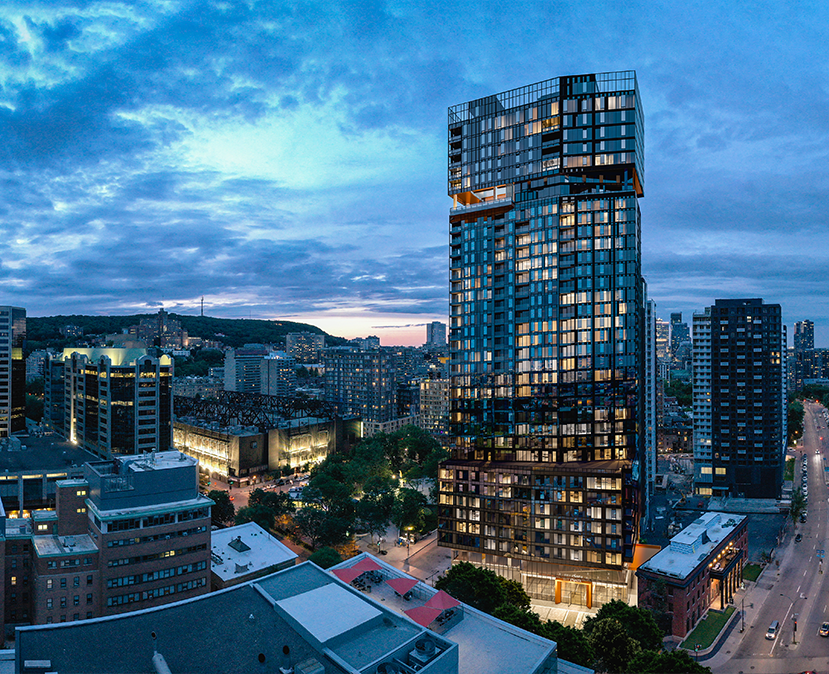
New-build or luxury units: often higher, especially Downtown, Griffintown, and Ville-Marie
Older plex buildings can still offer better value, but renovated units in desirable areas are being rented quickly — often within days.
Supply, Demand, and Vacancy PressureMontreal continues to experience strong rental demand driven by:
-
Immigration and population growth
-
University enrollment (local and international students)
-
Young professionals choosing renting over ownership
-
Limited first-time homebuyer affordability
Vacancy rates remain tight in central neighborhoods such as Plateau-Mont-Royal, Rosemont, Sud-Ouest, and Ville-Marie. New construction has helped in some areas, but it has not fully offset demand.
Suburban boroughs and off-island areas tend to offer:
-
Slightly lower rents
-
Larger unit sizes
-
More availability, especially for families
Different neighborhoods serve very different renter profiles:
-
Downtown / Ville-Marie: Best for students and professionals who value transit access and walkability. Higher prices, smaller units.
-
Plateau-Mont-Royal & Rosemont: Extremely popular, limited inventory, strong demand for renovated plex apartments.
-
Sud-Ouest & Griffintown: Newer buildings, modern amenities, higher rents but predictable quality.
-
Saint-Laurent, Ahuntsic, Montréal-Nord: Better value options, larger units, improving transit access.
There is no “cheap” neighborhood anymore — but there are neighborhoods where value still exists if expectations are realistic.
Timing Your Apartment SearchIn Montreal, timing matters as much as budget.
-
Spring & summer (May–July): Peak competition, especially around July 1st
-
Fall (September–November): More flexibility, fewer applicants per unit
-
Winter: Less inventory, but stronger negotiating power on longer vacancies
Renters who can avoid the July 1st rush often secure better conditions.
Rental Rules and Rent IncreasesQuebec’s rental regulations continue to protect tenants, but misunderstandings are common. In 2026:
-
Rent increases must be justified, not arbitrary
-
Landlords cannot demand illegal deposits
-
Credit checks are allowed, but refusals must respect human rights laws
Being informed gives renters leverage — especially in competitive situations.
Is Montreal Still a Good City to Rent In?Despite rising costs, Montreal remains attractive because of:
-
Strong public transit
-
Dense, walkable neighborhoods
-
Cultural life unmatched elsewhere in Canada
-
Better rent-to-income ratios than most major cities
Renting in Montreal in 2026 requires preparation and realism — but for many, it remains a smart and flexible choice.