INTRODUCTION: FROM WORKING-CLASS ROOTS TO ONE OF MONTREAL'S HOTTEST ADDRESSES
A generation ago, Verdun was known as a quiet, affordable working-class neighbourhood on the fringes. Today, it is one of Montreal's most coveted boroughs — ranked in 2020 among the eleven coolest neighbourhoods in the world by Time Out magazine — and it is still evolving.
Located in the southwest of Montreal Island, the borough of Verdun is bordered to the east by the St. Lawrence River and to the west by the Canal de l'Aqueduc. It also includes Nuns' Island (Île-des-Sœurs), a unique residential and natural enclave in the river. With approximately 69,000 residents, three metro stations, a REM station, the legendary Wellington Street and over 15 kilometres of waterfront, Verdun is today a complete, vibrant neighbourhood accessible to a wide range of resident profiles.
But popularity comes at a price. This guide gives you the full picture on current rents, the neighbourhood's real advantages, ongoing projects, demographics and transportation — including to the South Shore, downtown and beyond.
RENTAL PRICES IN 2025-2026
Verdun has become one of Montreal's most expensive rental markets, surpassing even neighbourhoods like Rosemont or the Plateau for certain unit types. Demand is sustained and the aging rental stock has not been sufficient to absorb the influx of new residents.
Studio / bachelor (1½): $1,100 to $1,500 per month1 bedroom (3½): $1,400 to $1,800 per month2 bedrooms (4½): $1,700 to $2,300 per month3+ bedrooms (5½+): $2,000 to $3,000 per month
According to liv.rent's February 2025 Montreal rent report, the average rent for an unfurnished one-bedroom in Verdun reached $2,033 per month — the highest of any Montreal neighbourhood that month, ahead of the Plateau and downtown. In May 2025, Verdun was still leading at $2,007 per month for an unfurnished one-bedroom.
New rental condos on Nuns' Island command even higher prices, with 2-bedroom units in recent projects like Mil20 or Evolo NEX exceeding $2,500 to $3,500 per month.
That said, the market is segmented. Older brick plexes in the Wellington-De l'Église sector can still offer 1-bedroom units between $1,300 and $1,600, especially for renewed leases. The gap between renovated or new units and older stock is significant.
Comparison with other Montreal neighbourhoods (average 2-bedroom rent):
- Verdun: $1,700 to $2,300 — among the most expensive on the island- Plateau-Mont-Royal: $1,900 to $2,600 — slightly more expensive- Rosemont: $1,600 to $2,100 — comparable- Hochelaga-Maisonneuve: $1,350 to $1,700 — significantly more affordable- RDP-PAT: $1,100 to $1,450 — the best value for money on the island
For budget-conscious renters, the Desmarchais-Crawford sector (west Verdun) and secondary streets parallel to Wellington offer more accessible options than new construction or the neighbourhood's commercial core.
THE ADVANTAGES OF LIVING IN VERDUN
1. One of Montreal's Longest Waterfronts
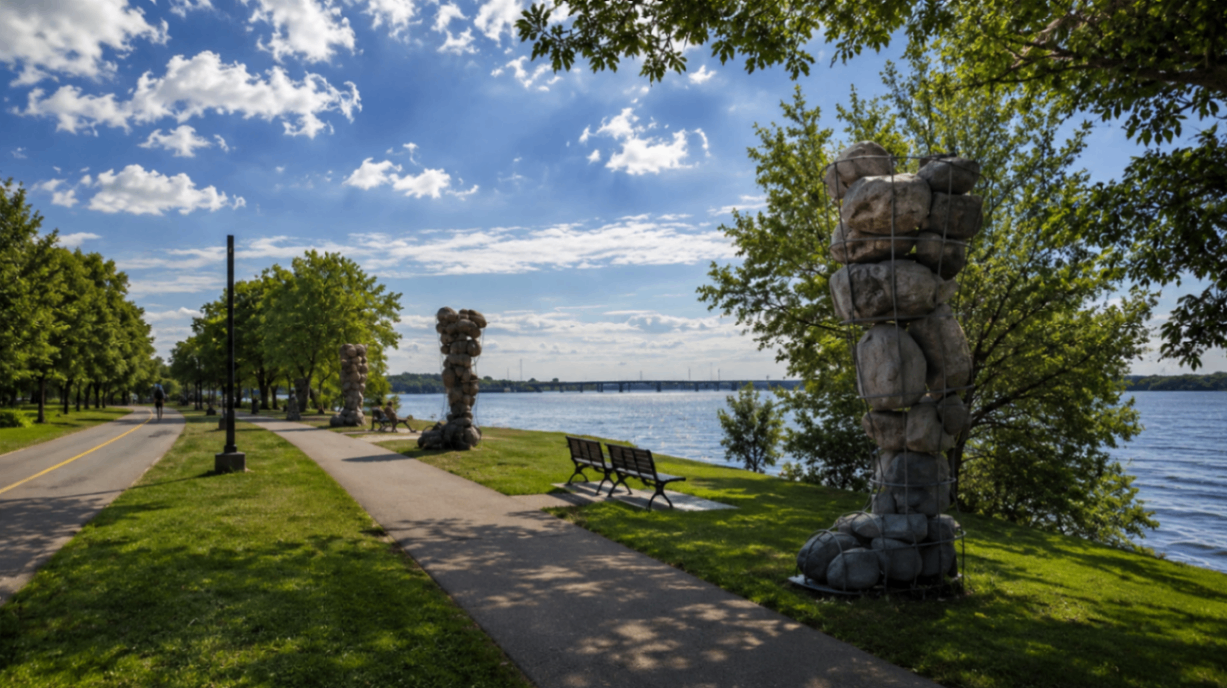
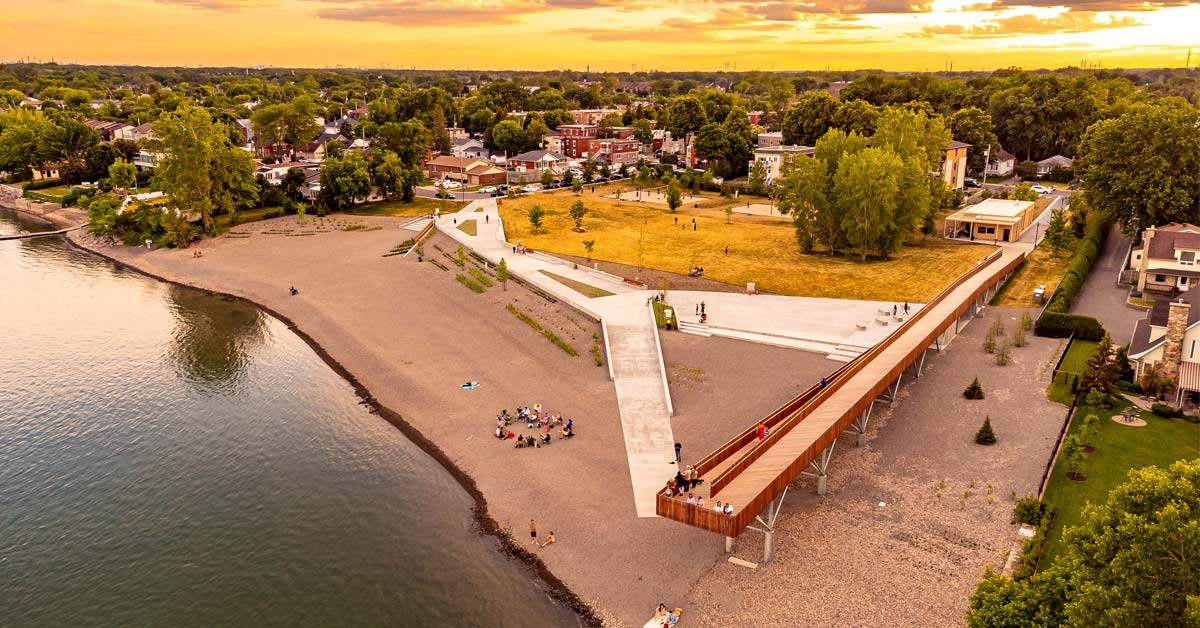
Verdun is bordered by the St. Lawrence River for over 15 kilometres. Parc Willibrord, riverside parks, cycling paths and green spaces along the river form an exceptional natural corridor accessible on foot or by bike from most streets in the neighbourhood. In summer, the Verdun urban beach and the pedestrianization of Wellington Street transform the entire experience of the neighbourhood.
2. Wellington Street: One of Montreal's Liveliest Strips
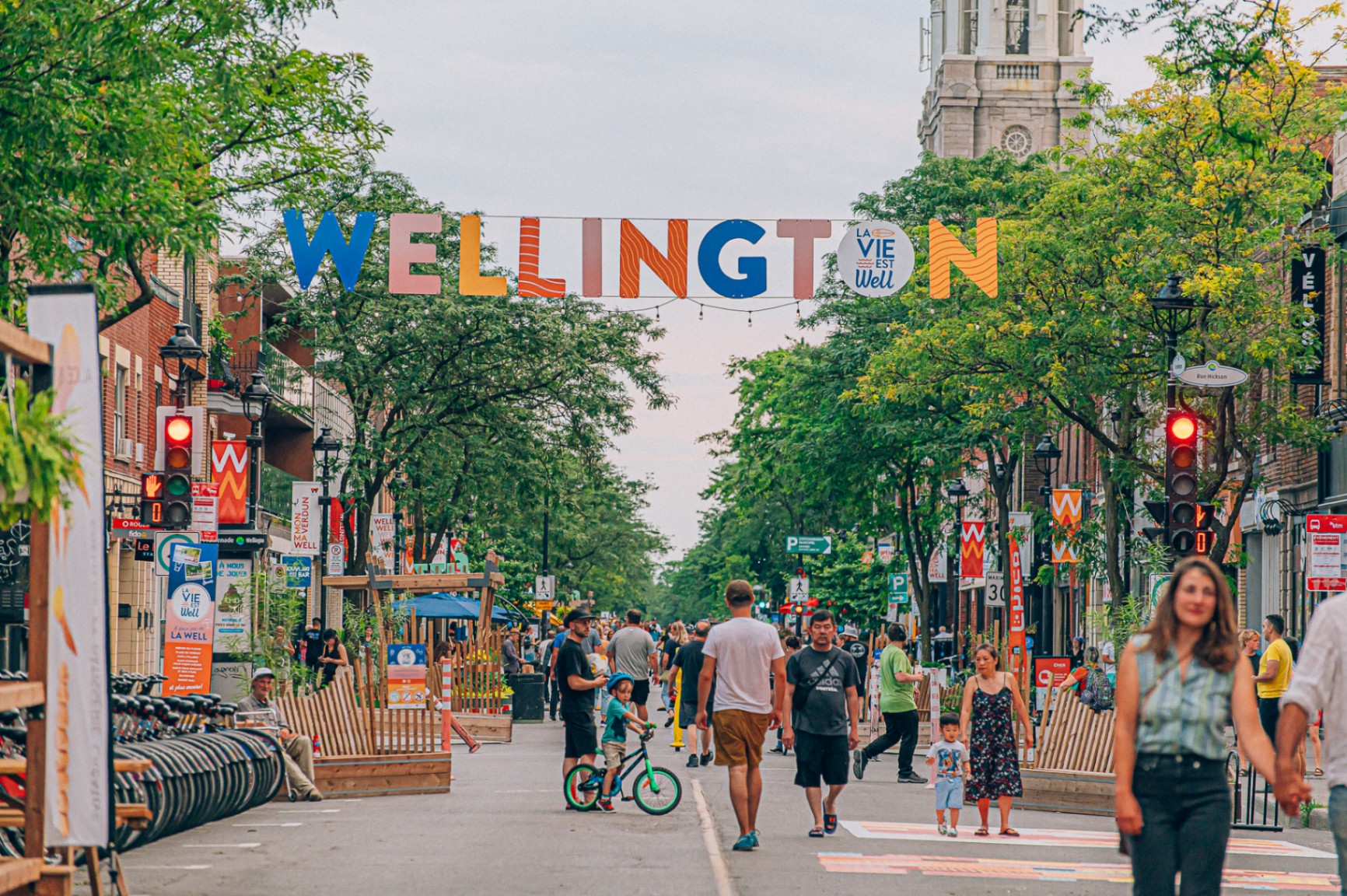
Wellington Street is the commercial and cultural heart of Verdun. Over 1.3 kilometres, it concentrates more than 250 businesses and services: microbreweries, cafés, gourmet restaurants, bookstores, fine grocery stores, vintage boutiques, art galleries and hair salons. In 2019, it hosted part of the Montreal Jazz Festival. In summer, the street is closed to vehicle traffic on weekends and becomes an open-air gathering place.
3. Three Metro Stations and a REM Station
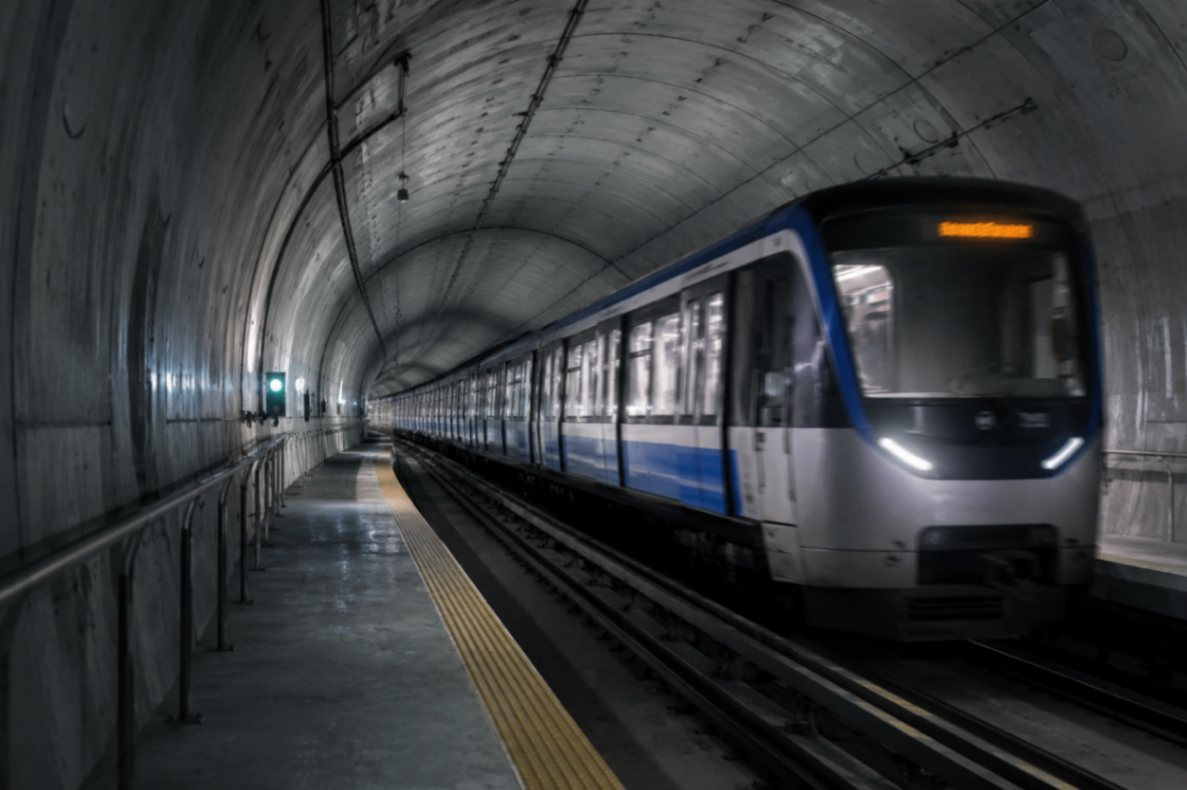
Few Montreal neighbourhoods can boast such transit coverage. Verdun has three stations on the Green Line metro (Verdun, De l'Église, Jolicœur), plus the REM Île-des-Sœurs station, opened in July 2023, which connects the borough directly to the South Shore (Brossard) and to Gare Centrale downtown. This is a rare and valuable combination.
4. Downtown Proximity: 15 Minutes
By metro, downtown Montreal is accessible in 15 minutes from Verdun's stations. It is one of the neighbourhoods closest to the city centre while still maintaining a genuinely residential, neighbourhood character. Many Verduners choose to cycle or walk for their daily commutes, thanks to dedicated cycling infrastructure and the compact geography of the area.
5. A Unique Cultural Identity and an Engaged Community
Verdun has a character unlike any other Montreal neighbourhood. It was an independent municipality for nearly a century (1907–2002) and has retained a strong sense of local identity. The neighbourhood was in fact celebrating its 150th anniversary in 2025. The École de cirque de Verdun, the Verdun Auditorium (historic venue), the Montreal Highland Games, seasonal markets and neighbourhood events make Verdun a culturally rich place to live.
6. Diverse Housing Types
Verdun offers a remarkable range of options: century-old brick triplexes and duplexes in Wellington-De l'Église, single-family homes and condos in Desmarchais-Crawford (the former "Westmount of Verdun"), and luxury condos and new rental buildings on Nuns' Island. Each sector has its own atmosphere and price point.
7. Nature and Tranquility on Nuns' Island
Nuns' Island is a true haven: Lac des Battures, the Boisé de l'Île-des-Sœurs (a sanctuary for migratory birds), golf, a Nordic spa, cycling paths and a village-like atmosphere. It is a radically different living experience from the density of Wellington, yet just minutes away by car or REM.
ONGOING DEVELOPMENTS AND PROJECTS
Verdun is in the middle of planned transformation for the 2025–2029 period, with clear priorities set by the borough administration.
THE 2025-2029 BOROUGH PLAN
The Projet Montréal Verdun team, led by Céline-Audrey Beauregard, has defined the following main priorities for the current term:
- Increasing affordable and non-profit housing in the borough- Building a footbridge connecting Nuns' Island to the rest of Verdun- Construction of a new Multifunctional Centre on Nuns' Island- Redevelopment of Place de la Grande Marguerite and the Crawford/Serres sector- Restoration of the municipal greenhouses- Road repairs (LaSalle Boulevard, Hickson, etc.)- Improving dangerous pedestrian intersections- Reducing heat islands through additional green spaces and trees- Installing mist makers in public spaces for heat waves- Improving car-sharing and bike-sharing services (Bixi, Communauto)
VERDUN BEACH (in development)
A project to develop an official beach in Verdun is underway, similar to the East Beach project in RDP-PAT. The project requires floodplain variances currently under study. If realized, it will be a unique waterfront amenity in this part of the island.
NEW RESIDENTIAL PROJECTS ON NUNS' ISLAND
Several condo and high-end rental projects are currently underway or in delivery on Nuns' Island:
- Mil20 Rental Condos: a new vision for urban luxury living on the island, currently in development- Evolo NEX: condos in the Pointe Nord sector of Nuns' Island- Sherwin: new colourful rental condos, delivery expected summer 2025- Florence Condos (Mondev): final phase, occupation summer 2026- Wellington sur le Bassin: project at the intersection of rue de la Montagne and Wellington Street
THE REM ÎLE-DES-SŒURS STATION: A DEVELOPMENT CATALYST
Opened in July 2023, the REM Île-des-Sœurs station continues to stimulate real estate and commercial development on the island. It directly connects residents to Gare Centrale in downtown Montreal and to Brossard on the South Shore. Real estate projects around the station are numerous and growing.
WELLINGTON COMMERCIAL REVITALIZATION
The Wellington Business Improvement Association (SDC Wellington) continues to support local businesses while managing gentrification pressures. Efforts are underway to maintain a balance between trendy new businesses and affordable everyday services accessible to all residents.
THE 2050 MONTREAL URBAN PLAN
Montreal's Land Use and Mobility Plan 2050, adopted in June 2025, includes plans for a sponge park near the Atwater water filtration plant in Verdun. This project aims to better manage rainwater and create new green space in the borough.
WHO LIVES IN VERDUN? DEMOGRAPHIC PROFILE
Verdun is a borough of contrasts, divided into three very distinct sectors: Wellington-De l'Église (the historic core), Desmarchais-Crawford (the western residential area) and Nuns' Island (the island enclave).
Typical Resident Profiles in Verdun
- Young professionals and couples without children drawn by Wellington and the waterfront- Families looking to buy in Desmarchais-Crawford at still-accessible prices- Affluent residents and expats on Nuns' Island- Students and young renters in the denser areas
TRANSPORT AND CONNECTIVITY
Verdun is one of Montreal's best-served neighbourhoods for public transit. It is, in fact, one of the borough's primary selling points.
STM Metro — Green Line
Verdun has three stations on the Green Line:
- Verdun station: in the heart of the borough- De l'Église station: in the Wellington sector, steps from shops and cafés- Jolicœur station: at the western edge of the borough, toward LaSalle
Downtown Montreal (Guy-Concordia, Atwater, Lionel-Groulx stations) is reachable in 10 to 15 minutes from these stations. This is one of Verdun's most significant advantages over neighbourhoods like Lachine or West Verdun.
REM — Île-des-Sœurs Station
The REM Île-des-Sœurs station opened on July 31, 2023. Located at 900 René-Lévesque Boulevard on Nuns' Island, it is in fare zone A (same fare as the metro and STM buses). It provides access to:
- Gare Centrale (downtown Montreal): in just minutes- Brossard (South Shore): direct connection via the REM- Panama, Du Quartier and other South Shore stations (zone B fare)
The REM is fully automated and driverless, operating from approximately 5:41 AM until 1:00 AM daily. It is a transformative link for Verdun residents who work on the South Shore or in the growing zones served by the network.
STM Bus Network
A network of bus routes covers the entire borough, including areas not directly served by the metro such as Crawford Park and western Nuns' Island. Several routes connect Verdun to neighbouring boroughs including LaSalle, Le Sud-Ouest and Côte-Saint-Paul.
By Car
- Highways 15 and 20 skirt the northern and eastern edges of the mainland portion and merge with Highway 10 on Nuns' Island- Downtown Montreal: 10 to 20 minutes depending on traffic- South Shore (Longueuil, Brossard): via Champlain Bridge or Victoria Bridge, 15 to 30 minutes- Laval: 25 to 40 minutes via downtown and Highway 15
South Shore Access: A Major Advantage
Nuns' Island is physically connected to the South Shore via Highways 15 and 10. This means Verdun residents have remarkably direct access to Brossard, Longueuil and the Highway 10 corridor, by car or by REM. For South Shore commuters, Verdun is one of the best departure points on the island of Montreal.
Cycling Network
Verdun has an extensive cycling network, including a dedicated lane along the full length of rue Verdun, a riverside path along the St. Lawrence, and access to the cycle-accessible Champlain Bridge and Île Notre-Dame. Cycling to downtown or Griffintown takes under 20 minutes.
CONCLUSION
Verdun is no longer what it once was — and that is by design. The borough has successfully reinvented itself while retaining its neighbourhood soul, its exceptional waterfront access and an engaged community. While prices have risen significantly (one-bedroom units now average around $2,000 per month), they are often justified by a density of services, transit options and quality of life that is hard to match elsewhere in Montreal.
For families, young professionals, couples and investors, Verdun offers a unique position: proximity to downtown, the beauty of the St. Lawrence River, the character of a real neighbourhood and exemplary connectivity — all in a borough that continues to grow and appreciate in value.
Sources: liv.rent Montreal Rent Report 2025, Statistics Canada (2021 census), Centraide du Grand Montréal, Ville de Montréal, Projet Montréal Verdun, REM, STM, Wikipedia, DuProprio, REALTOR.caLast updated: May 2026
Lifestyle
The Neighbourhood Time Out Called One of the World's Coolest — Is It Still Worth It?
5/7/2026 • Verdun • By Rentack