Introduction
If you're renting in Quebec, you've probably heard of the TAL — but most people don’t fully understand what it actually does until something goes wrong.
Whether you're a tenant dealing with a rent increase, or a landlord trying to enforce a lease, the Tribunal administratif du logement (TAL) plays a central role in how disputes are handled.
This guide breaks it down in plain terms — no legal jargon.
What is the TAL in Quebec?
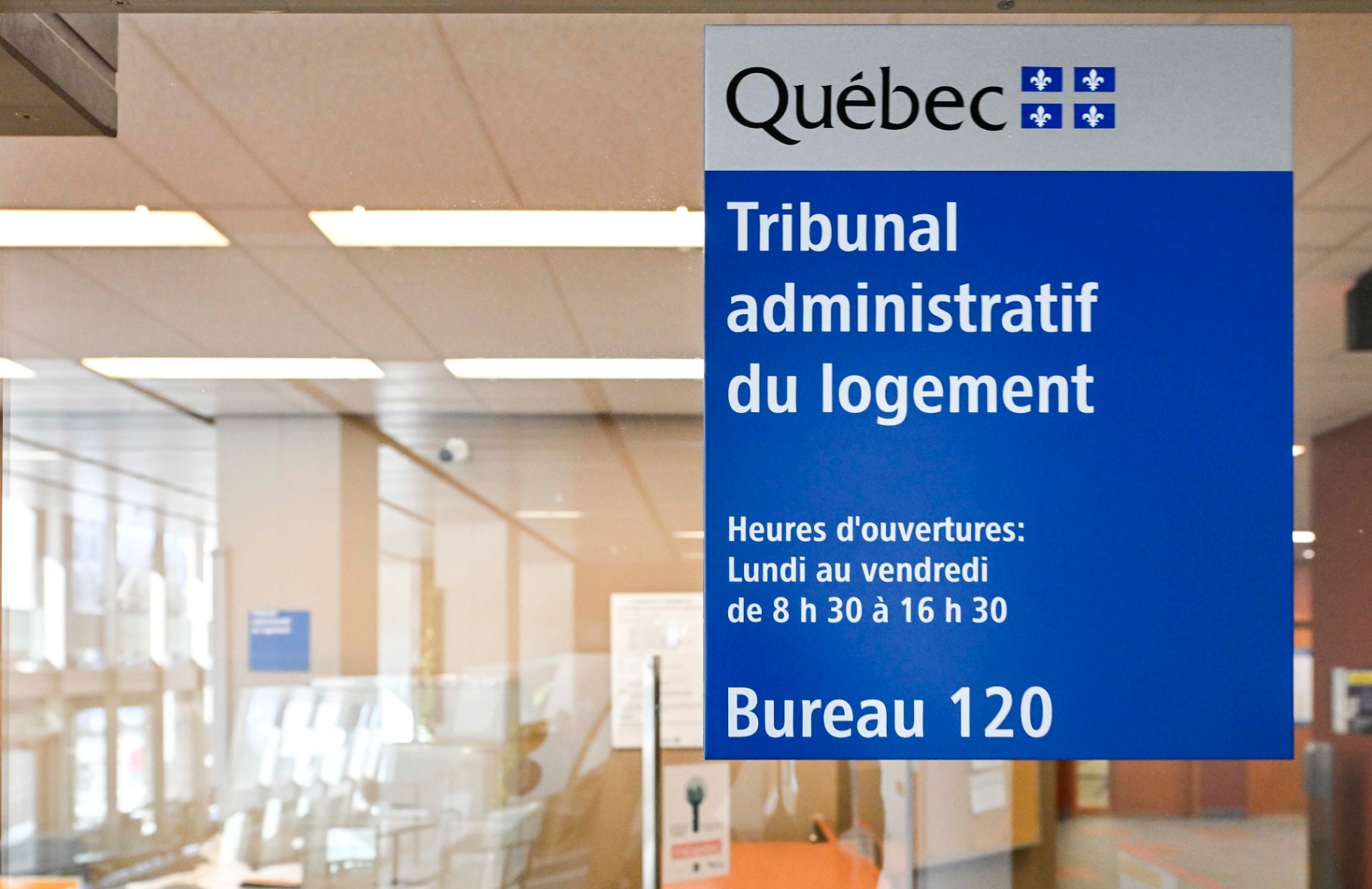
The Tribunal administratif du logement (TAL) is Quebec’s housing authority responsible for managing disputes between landlords and tenants.
It replaced the Régie du logement in 2020, but its role remains the same:
- Enforce lease rules
- Handle disputes
- Set rent increase guidelines
- Protect both tenants and landlords
Think of it as the court system for rental housing in Quebec.
What Does the TAL Actually Do?
Here’s where it matters in real life:
1. Resolves disputes
If:
- A tenant doesn’t pay rent
- A landlord refuses repairs
- There’s conflict over lease conditions
➡️ The TAL steps in and makes a legal decision.
2. Oversees rent increases
Landlords can raise rent — but not arbitrarily.
The TAL:
- Provides annual increase recommendations
- Steps in if a tenant refuses an increase
- Decides what is “reasonable”
3. Handles lease issues
This includes:
- Lease renewals
- Evictions
- Lease transfers (important in Quebec)
Can a Landlord Evict You in Quebec?
Yes — but not easily.
Unlike other provinces, Quebec strongly protects tenants.
A landlord must have a valid reason, such as:
- Non-payment of rent
- Serious disturbance
- Repossession (owner wants to move in)
And in most cases:
➡️ It must go through the TAL
How to File a Case with the TAL
You can file a request if you're a tenant or landlord.
Steps:
- Submit an application online
- Pay a small fee (~$80–$100)
- Wait for a hearing date
- Present your case
⚠️ Important: Delays can be long depending on the case type.
How Long Does TAL Take in Quebec?
This is one of the most asked questions.
Typical timelines:
- Urgent cases: a few weeks
- Standard cases: several months
The backlog has been a major issue in recent years.
Is the TAL Biased Toward Tenants?
This is debated — but here’s the reality:
Quebec law is tenant-protective by design.
That said:
- Landlords do win cases
- The TAL follows the Civil Code of Quebec
- Evidence matters more than opinion
Why the TAL Matters in Quebec’s Rental Market
The TAL heavily shapes how the entire rental market behaves:
- Keeps rent increases controlled
- Limits abusive evictions
- Encourages long-term leases
- Makes Quebec very different from Ontario or BC
For renters, this means:
➡️ More stability
➡️ More rights
For landlords:
➡️ More regulation
➡️ Slower enforcement
Final Thoughts
Understanding the TAL isn’t optional in Quebec — it’s essential.
Whether you're renting your first apartment or managing multiple units, knowing how it works can save you time, money, and stress.