Frequently Asked Questions about Finance
Find answers to frequently asked questions about Finance for rentals in Canada.
Renting an Apartment in Montreal & Quebec: Costs, Budget & Income Guide
❓ How much rent can I afford in Montreal?
A common rule is the 30% rule, meaning you should spend no more than 30% of your gross monthly income on rent.
Example:
• Income: $4,000/month → Recommended rent: ~$1,200
However, in Montreal’s current market, many renters spend closer to 35–45%, especially in central areas.
To stay comfortable financially:
• Choose areas like Montréal-Nord, LaSalle, or Longueuil
• Consider roommates to reduce costs
• Look for all-inclusive units to avoid surprise bills
Rentack helps you compare apartments across price ranges so you can stay within budget.
❓ What salary do you need to rent an apartment in Montreal?
Here’s a realistic breakdown based on 2026 rents:
• Studio ($1,000) → ~$3,000/month income
• 1 bedroom ($1,300–$1,600) → ~$3,900–$4,800/month income
• 2 bedroom ($1,500–$2,200) → ~$4,500–$6,600/month income
Landlords don’t always enforce strict ratios, but your income must clearly support the rent.
If your income is lower:
• Use a guarantor
• Share an apartment
• Target more affordable neighbourhoods
❓ Is rent cheaper in Quebec than Ontario?
Yes — Quebec is significantly cheaper than Ontario for renting.
• Montreal vs Toronto: ~30–50% cheaper
• Quebec City vs Ottawa: ~20–35% cheaper
Example:
• 1 bedroom in Montreal: $1,300–$1,600
• 1 bedroom in Toronto: $2,200–$2,800
This is one of the main reasons people relocate to Quebec.
Rentack focuses on Quebec listings, helping you find better value compared to other provinces.
❓ What is included in rent in Quebec apartments?
In Quebec, inclusions vary by building but can often include:
• Heating (very common)
• Hot water (very common)
• Appliances (fridge & stove usually included)
Sometimes included:
• Electricity
• Internet
• Washer & dryer
Always verify inclusions before signing — this can impact your real monthly cost by $100–$300+.
Rentack listings clearly show what’s included so you can compare true costs.
❓ How much are utilities per month in Montreal?
If utilities are not included, average monthly costs are:
• Electricity (Hydro): $50–$100 (higher in winter if heating is electric)
• Internet: $50–$80
• Heating (if separate): $50–$150+ in winter
Total: ~$100–$250/month depending on usage and apartment size.
All-inclusive apartments can simplify budgeting and reduce unexpected expenses.
❓ Do you need a credit score to rent in Quebec?
Yes, most landlords will check your credit score.
• Good credit (650+) → easier approval
• No credit → may require a guarantor
• Bad credit → more limited options
If you’re new to Canada:
• Provide proof of income
• Offer advance payment if requested
• Use a guarantor if possible
Rentack helps connect renters with landlords open to different financial profiles.
❓ Is it cheaper to live with roommates in Montreal?
Yes — living with roommates is one of the best ways to reduce rent.
Example:
• 1 bedroom alone: $1,400
• 2 bedroom split: ~$800–$1,100 per person
Savings can be 30–50% per month.
It’s especially common among:
• Students
• Young professionals
• Newcomers to Montreal
❓ What is the cheapest way to rent an apartment in Montreal?
To find the lowest rent possible:
- Look outside downtown (Montréal-Nord, Verdun, LaSalle, Longueuil)
- Avoid peak season (July 1st)
- Consider older buildings (better prices, larger units)
- Share with roommates
- Act fast on good deals
The biggest mistake renters make is focusing only on central neighborhoods.
Rentack lets you explore multiple areas quickly to find the best value.
❓ Can you negotiate rent in Montreal?
Negotiation is possible, but not always guaranteed.
You have better chances if:
• The unit has been listed for a while
• You apply outside peak season
• You have strong financials
Typical negotiation range:
• $25–$100/month
In high-demand areas, units often rent at asking price or higher.
Finance Blogs
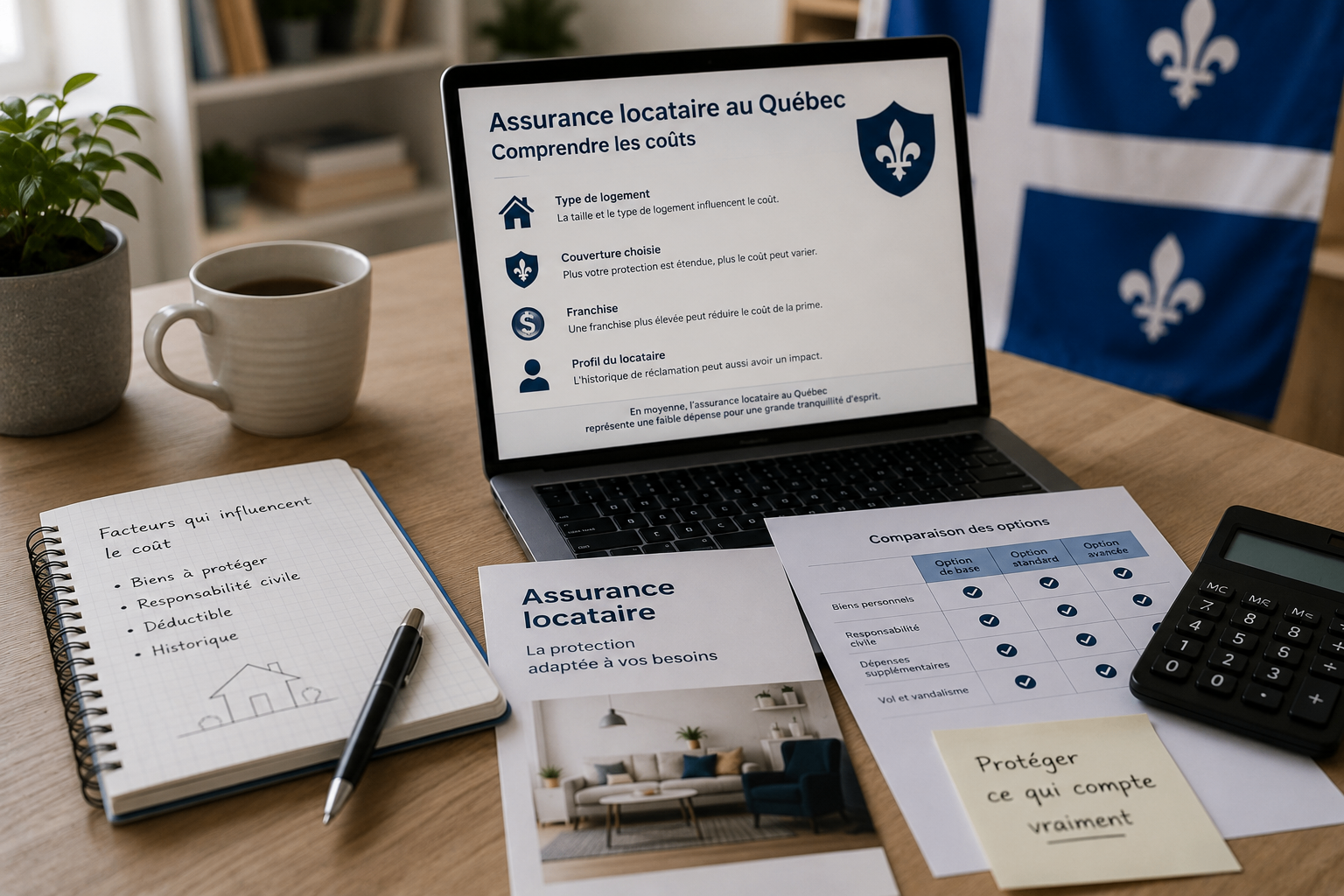
How Much Does Tenant Insurance Cost in Quebec in 2026?

Do You Need Tenant Insurance in Quebec? (The Honest Answer)