Montreal vs Quebec City: What Renters Get for Their Money in 2026
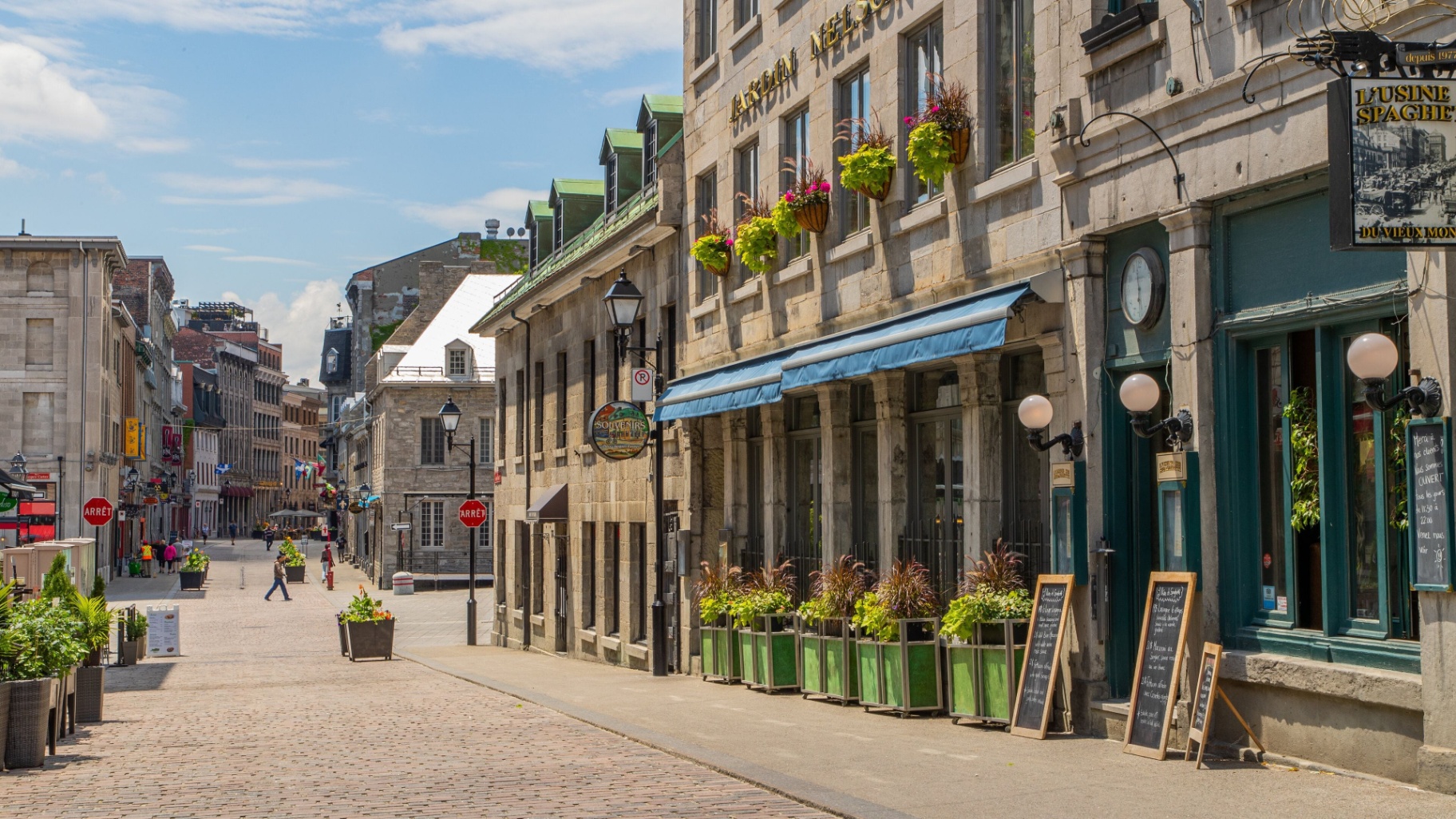
Core data angleCMHC’s 2025 Rental Market Report gives us a strong neutral foundation: In Greater Montreal, the vacancy rate sits at 2.9%, with average two-bedroom rents around $1,346 and annual rent growth of approximately 7.2%. In Quebec City (CMA), the vacancy rate is slightly lower at 2.4%, with average two-bedroom rents around $1,277 and rent growth of about 6.1%.In 2026, Montreal offers the larger and more diverse rental market, while Quebec City offers slightly lower average rents, a more compact lifestyle, and strong value in central neighborhoods. The real comparison is not simply “which city is cheaper,” but which type of urban lifestyle renters are buying into.1. Old Montreal vs Old Quebec / Limoilou Old Montreal Old Montreal is prestigious, historic, tourist-facing, and close to the Old Port, downtown, Griffintown, and the financial district. It is not usually the best “value” rental area. Renters are paying for architecture, walkability, prestige, and proximity to downtown.But the issue is supply. Old Montreal has limited residential rental growth because the built form is already established and heritage-sensitive. Nearby development pressure is instead happening around Griffintown, Bridge-Bonaventure, Pointe-Saint-Charles, and the Lachine Canal.Montreal’s Bridge-Bonaventure sector is especially important: the City of Montreal says the area could add 12,000 to 13,500 housing units, plus green space, bike lanes, economic activity, and potentially a REM station. Old Quebec Old Quebec is different. It is not just “historic”; it is internationally protected. UNESCO describes the Historic District of Old Québec as a fortified colonial town and an important example of European settlement in the Americas. That makes Old Quebec beautiful and unique, but also constrained. It is not where large-scale rental growth is likely to happen. Like Old Montreal, renters are paying for atmosphere, walkability, tourism, heritage, and centrality. Limoilou as the better comparison For renters, Limoilou is probably a better comparison to Plateau / Rosemont / Hochelaga than Old Montreal.Limoilou has older housing stock, neighborhood life, walkability, and a more residential feel. It is close to Saint-Roch, Saint-Sauveur, Maizerets, and downtown Quebec City, but generally feels more livable and less tourist-oriented than Old Quebec. Quebec City is also pushing housing growth in the area. In Maizerets and Vieux-Limoilou, the city presented three social and affordable housing projects totaling 238 units: 187 units on boulevard Montmorency, 31 units on boulevard Montmorency, and 20 units on rue de la Pointe-aux-Lièvres.2. Developing areas: Griffintown / Bridge-Bonaventure vs Saint-Roch / Pointe-aux-Lièvres / Les RivièresMontreal developing areas Montreal’s development story is tied to large former industrial districts becoming residential: Griffintown, Bridge-Bonaventure, Pointe-Saint-Charles, and areas around the Lachine Canal.The Griffintown project is described by the City of Montreal as a major transformation driven by demographic growth, real estate projects, infrastructure, and urban design work. Bridge-Bonaventure is even bigger strategically, with 12,000 to 13,500 planned homes and a vision built around mobility, green space, economic activity, and historical identity.Quebec City developing areas Quebec City’s development story is more distributed. Saint-Roch, Saint-Sauveur, Pointe-aux-Lièvres, Les Rivières, Val-Bélair, and parts of the South Shore are important.The City of Québec’s housing vision targets 80,000 new homes by 2040 and 500 social/affordable housing units per year. CMHC also announced more than 260 rental units in Québec and Lévis through federal financing, including the 159-unit La Cour project in Saint-Roch.3. South Shore comparison: Longueuil vs LévisLongueuil Longueuil is the obvious South Shore comparison for Montreal renters. It offers access to Montreal, often at lower prices than the island, while still being connected by transit, bridges, and metro access through Longueuil–Université-de-Sherbrooke.CMHC says Montreal’s rental market easing was especially visible on the Island of Montreal and the South Shore because of new supply and slower demand. Longueuil is also entering a major development cycle. Canada Lands Company and Longueuil presented an updated vision for the Longue-Rive / Pointe-de-Longueuil sector in 2025, positioning it as a major new inclusive district.Lévis Lévis plays a similar role for Quebec City: more space, suburban comfort, access to the city, and often better value. But it is not the same as Longueuil because Quebec City’s metropolitan structure is smaller and less transit-dense than Montreal’s.CMHC specifically notes that vacancy rates rose in Quebec City’s South Shore, and that supply remained high despite some slowdown there. The Québec–Lévis rental pipeline also has direct support: CMHC announced federal financing for projects in Québec and Lévis, including projects in Saint-Roch, Val-Bélair, and Lévis.

Affordability
Is it cheaper to live in Montreal or Quebec City?
5/6/2026 • Montreal • By Rentack