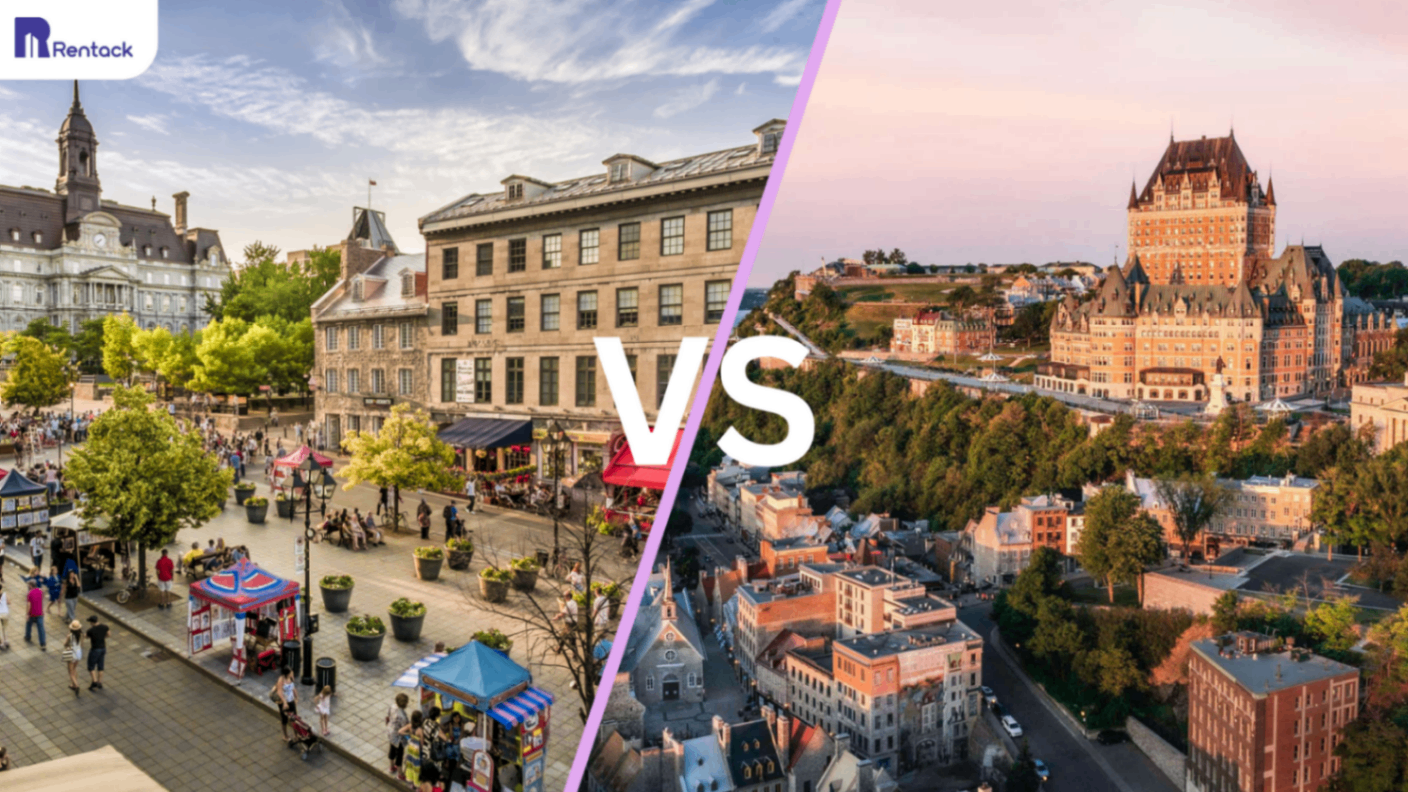
IntroductionQuébec City has long been seen as one of Canada’s most affordable major urban rental markets. For years, it offered a compelling alternative to Montréal: lower rents, a strong public sector job base, and a slower pace of life. But by 2026, many renters are asking a reasonable question, is Québec City still affordable, or has it begun to follow the same trajectory as larger cities?The short answer is yes, Québec City remains more affordable than Montréal, but the gap is narrower than it once was, and affordability now depends heavily on where and how you rent. This article breaks down what renters can realistically expect in 2026, what’s driving demand, which areas remain accessible, and how to approach the search without relying on outdated assumptions.Rent Levels in 2026: Still Lower, but No Longer “Cheap”Compared to Montréal, Québec City rents remain noticeably lower across most unit types. Studios and one-bedroom apartments are still accessible to a wide range of renters, and two-bedroom units are often within reach for couples or small families without stretching budgets excessively.That said, the era of Québec City being “cheap across the board” is over. Rent growth over the past several years has been steady, particularly in neighborhoods close to employment hubs, universities, and transit corridors. New construction has introduced higher-end rental products that raise average prices, even if older stock remains more affordable.Another important shift is expectations. Ten years ago, renters might have accepted fewer inclusions or dated interiors in exchange for low rent. In 2026, many renters expect modern layouts, appliances, and basic amenities, and landlords price accordingly.Affordability still exists, but it is no longer automatic.Why Demand Has IncreasedQuébec City’s rental demand has grown for reasons that go beyond population increases.First, the city benefits from a stable employment base. Government institutions, healthcare, education, and technology sectors provide relatively consistent job security. This stability attracts long-term renters who may not feel pressure to rush into homeownership.Second, interregional migration plays a growing role. Renters priced out of Montréal or seeking a calmer environment increasingly consider Québec City, particularly remote and hybrid workers. While this group remains a minority, it has contributed to upward pressure in certain neighborhoods.Third, the student population continues to influence demand. Université Laval and other institutions attract tens of thousands of students each year, many of whom rent off-campus. This keeps demand strong for studios and one-bedroom units, particularly near transit routes.Finally, like elsewhere in Québec, access to homeownership has become more difficult. This keeps renters in the market longer, reducing turnover and tightening availability.Neighborhoods Matter More Than EverOne of the biggest misconceptions about Québec City is that affordability is evenly distributed. In reality, price differences between neighborhoods have become more pronounced.Central areas and neighborhoods close to major employers or universities tend to command higher rents. These areas offer walkability, services, and transit access, all of which renters increasingly prioritize.At the same time, more peripheral neighborhoods still offer strong value. Renters willing to accept longer commutes or car dependency can often find larger units at significantly lower prices. For families or remote workers, this trade-off can make sense.Importantly, Québec City’s layout means that “farther” does not always mean inconvenient. Many residential areas are well connected by bus routes, even if they lack metro-style transit.In 2026, renters who take the time to understand neighborhood dynamics are far better positioned to find good value.The Role of New Rental DevelopmentsQuébec City has seen a steady increase in purpose-built rental developments. These buildings tend to target professionals, downsizers, and renters seeking a turnkey lifestyle.Typical features include modern kitchens, in-unit laundry, elevators, and shared amenities such as gyms or lounges. Rents in these buildings are higher than in older stock, but they appeal to renters who value predictability and lower maintenance.This new supply has a dual effect. On one hand, it increases overall availability and helps meet demand. On the other, it shifts renter expectations upward, influencing pricing even in older buildings.For renters, the key is understanding what you are paying for. New buildings offer convenience and consistency, while older apartments may offer better price-per-square-foot if you are willing to accept fewer amenities.Utilities, Inclusions, and the “True Cost” of RentOne area where Québec City still offers an advantage is inclusions. Many rentals continue to include heating and hot water, and all-inclusive options are common in newer developments.However, renters are increasingly attentive to total monthly cost. A lower base rent without inclusions can quickly become more expensive once utilities, internet, and parking are factored in.In 2026, informed renters compare listings based on realistic monthly budgets rather than headline prices. This approach often reveals that two apartments with very different rents can cost nearly the same once all expenses are included.How the Rental Search Has ChangedThe rental search process in Québec City has become more competitive and more digital.Listings are more detailed than they once were, with better photos and clearer descriptions. At the same time, well-priced units move faster, particularly during peak periods such as spring and early summer.That said, Québec City remains less frantic than Montréal. Renters often have more time to evaluate options, visit multiple units, and negotiate. This relative calm is one of the city’s continued advantages.Preparation still matters. Renters who understand their priorities, budget, and preferred neighborhoods tend to secure better outcomes than those who approach the market reactively.Is Québec City Still Affordable in 2026?The honest answer is nuanced.Québec City is still more affordable than Montréal, especially when considering quality of life and unit size. However, affordability is no longer uniform, and renters who rely on outdated assumptions may be surprised.Those who approach the market strategically, understanding neighborhoods, evaluating total costs, and staying flexible, can still find excellent value.Affordability in 2026 is less about luck and more about informed decision-making.Final ThoughtsQuébec City’s rental market has matured. It is no longer a hidden bargain, but it remains one of the most balanced urban rental environments in Québec.For renters seeking stability, reasonable pricing, and a slower pace without sacrificing urban amenities, Québec City continues to offer a compelling option, provided they know where and how to look.

AffordabilityRental Guide
Is the Quebec City rental market affordable?
2/25/2026 • Quebec City • By Rentack