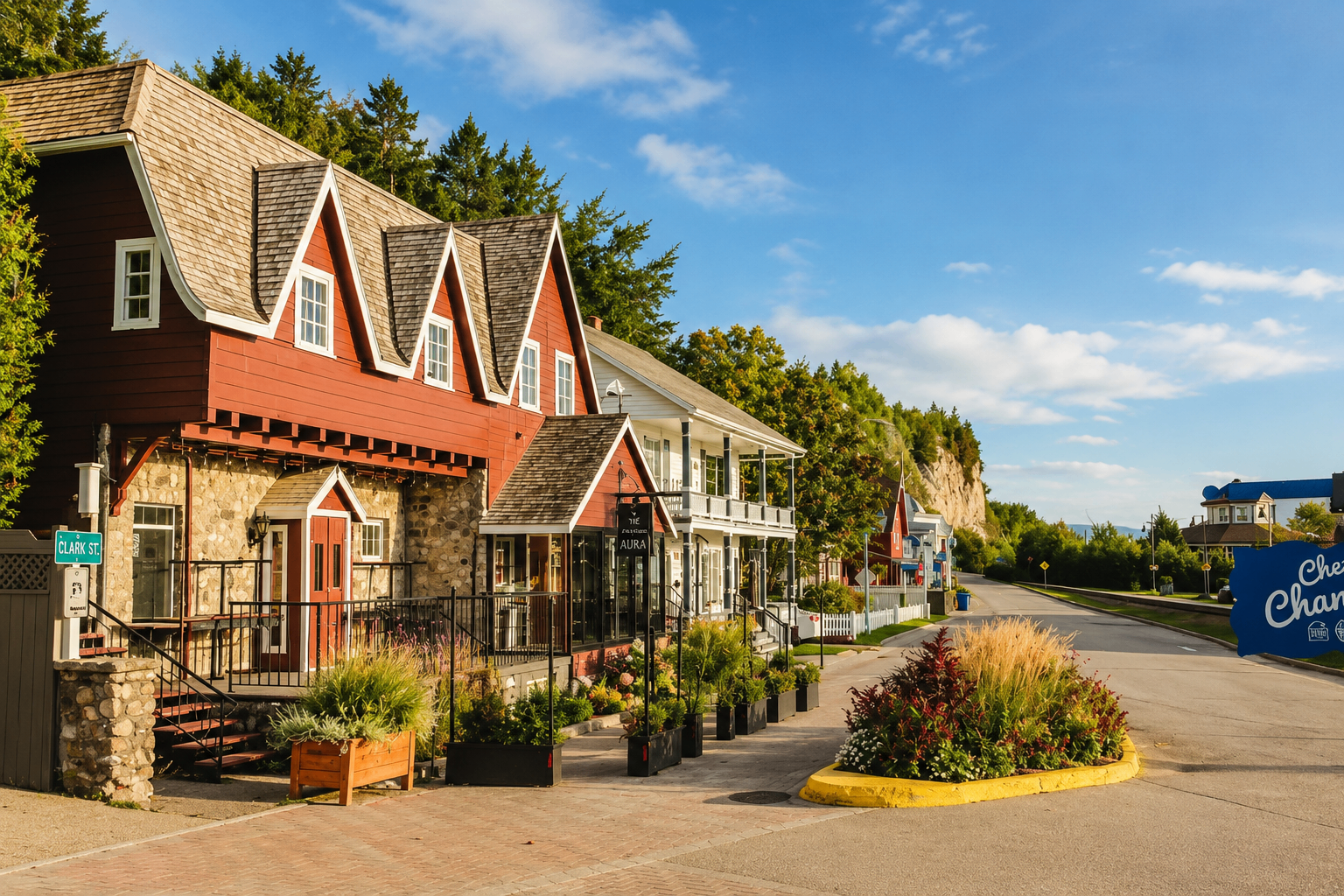
Montreal’s rental market has experienced significant growth and transformation, driven by economic shifts, demographic changes, and evolving housing policies. As we look forward to 2025, several key trends are shaping the landscape for tenants and property owners alike.The city’s growing population, boosted by immigration and an influx of students and young professionals, continues to fuel housing demand. Consequently, rent prices are expected to steadily rise, particularly in centrally located and transit-accessible neighborhoods. Areas such as Plateau-Mont-Royal, Griffintown, and the Sud-Ouest are likely to remain highly desirable, with sustained rental demand.Simultaneously, new housing developments and projects focused on sustainability and urban density are emerging, aimed at easing the supply constraints that currently drive higher rental costs. This increase in housing stock could help balance the market, offering tenants more diverse and affordable rental options by 2025.The rise of remote and hybrid working arrangements will also influence rental market dynamics, making suburban areas around Montreal, such as Laval, Brossard, and Longueuil, more appealing due to affordability, larger living spaces, and improved quality of life.In this evolving market, platforms like Rentack will become increasingly important for navigating changes efficiently. Rentack simplifies the process by matching tenants with suitable listings, providing reliable market insights, and facilitating seamless tenant-landlord interactions.Stay informed and ahead of the curve with Rentack. Whether you’re searching for an affordable apartment or looking to better understand the rental market’s trajectory, Rentack is your trusted resource for Montreal’s housing landscape in 2025.

Rental Guide
Montreal Rental Market Outlook: What to Expect in 2025
7/31/2025 • Montreal • By Rentack