
Quebec Standard Lease 2026: Everything You Need to Know About the TAL Lease Form
If you rent or own residential property in Quebec, one document governs everything: the mandatory TAL lease form. Whether you're a first-time renter trying to understand what you're signing, a landlord making sure your contract holds up, or a newcomer to Quebec discovering that the province plays by its own rules, this guide covers the essential facts about how the Quebec residential lease works in 2026 — including the regulatory changes that came into effect on January 1, 2026.
Why Quebec Has a Mandatory Lease Form
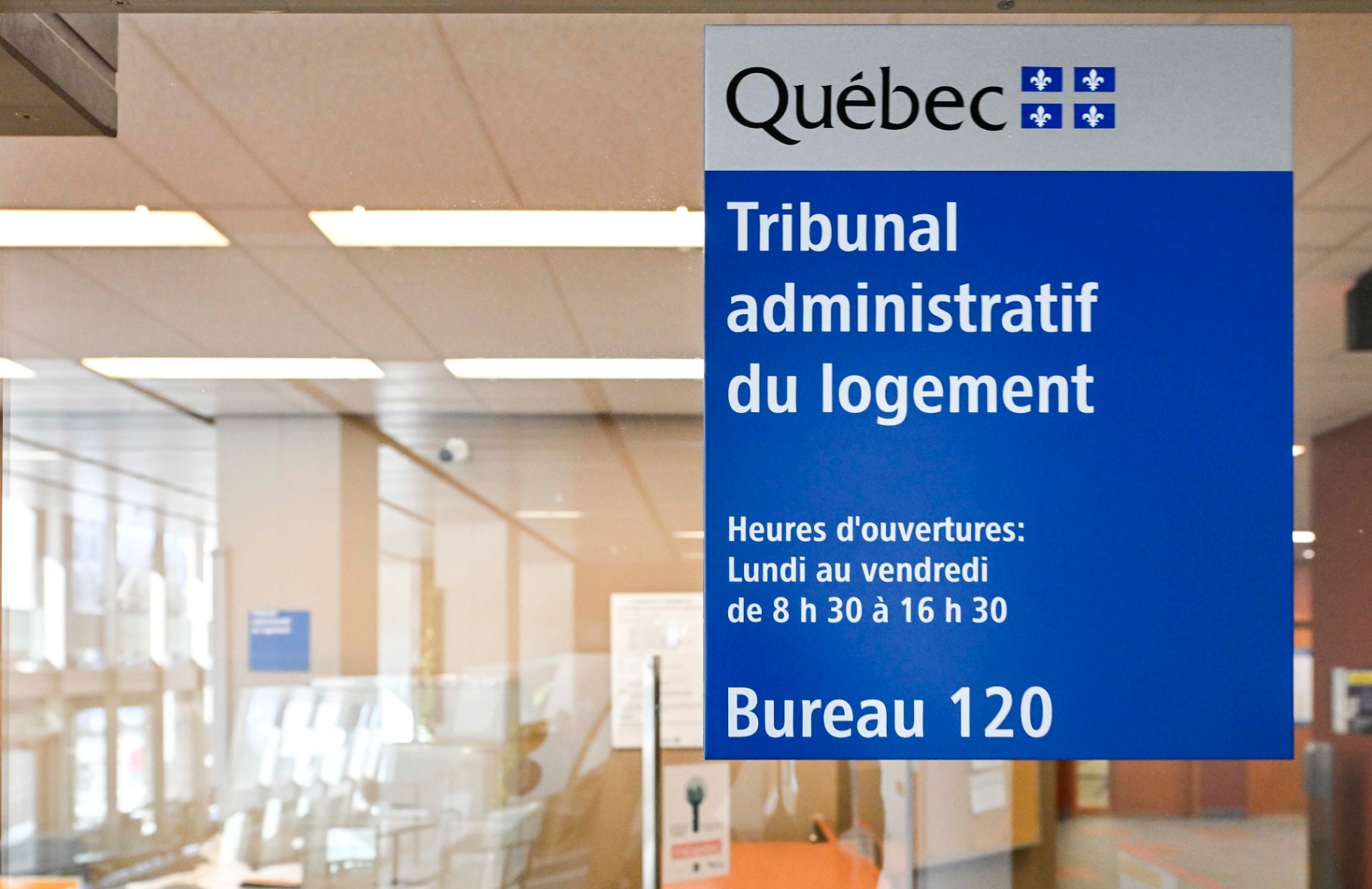
Quebec is one of the few places in North America that requires all residential leases to use a government-prescribed form. The TAL lease form (Formulaire de bail obligatoire) is produced by the Tribunal administratif du logement and is the only legally valid contract for residential tenancies in the province. Landlords who use their own "house contracts" or informal written agreements risk having clauses struck down, and if a court ever has to interpret a dispute, only the TAL form provides full legal certainty.
The January 2026 regulatory update (Décret 1453-2025, published December 3, 2025) introduced a new mandatory form for student housing leases and units in certified buildings. It also increased the cost of the TAL-issued lease form slightly (maximum $2.99 + tax). Forms printed before January 1, 2026 remain valid through December 31, 2026, provided a legal compliance annex is attached.
The Key Sections of the TAL Lease Form
The standard Quebec lease is structured in lettered sections, each covering a specific aspect of the tenancy.
Section A — Identification. Full legal names, addresses, and phone numbers of all parties. If there are multiple co-tenants, all must be named. For corporate landlords, the NEQ (business registration number) must appear. Any omission here complicates future TAL proceedings.
Section B — Description of the Unit. Full address with unit number, number of rooms, and all included accessories: parking space, storage locker, balcony. Any imprecision creates ambiguity that can be exploited in a dispute.
Section C — Lease Term. Start date and end date. The most common term is 12 months, traditionally July 1 to June 30 — but legally any dates work. Important: a lease of more than 12 months renews automatically for 12 months, not its original duration. A 3-year lease becomes an annual lease after its first term.
Section D — Rent. Exact monthly amount, payment date (typically the 1st of the month), and accepted payment method. Landlords cannot require post-dated cheques (Article 1904 C.c.Q.) — they can accept them if offered, but cannot demand them.
Section E — Services and Conditions. What's included: heat, hot water, electricity, appliances, internet. Anything not listed here is the tenant's responsibility. Get every included service in writing.
Section F — Special Clauses. Space for additional agreements between landlord and tenant. This is where many landlords make costly mistakes — more on that below.
Section G (Annex G) — Previous Rent Disclosure. One of the most important and misunderstood sections.
Annex G: The Most Critical Section for Both Parties
Annex G requires the landlord to disclose the lowest rent paid for the unit in the 12 months preceding the new lease. This disclosure exists specifically to allow the new tenant to assess whether their rent represents a reasonable increase from the previous tenant's.
If Annex G is left blank, inaccurate, or omitted entirely, the tenant has 10 days after signing to apply to the TAL for a rent reduction. The tribunal may then set the rent at a lower amount. This is consistently one of the most expensive mistakes Quebec landlords make.
Exceptions: if the unit is new (less than 5 years old), Annex G does not apply. If the landlord genuinely does not know the previous rent, they should indicate this — but remain responsible for accuracy.
What Landlords Cannot Put in Section F
Quebec's lease law is based on a fundamental principle: your rights as a tenant are matters of public order. That means the landlord cannot waive them, and any clause in the lease that tries to do so is automatically void — even if the tenant signed it.
The following clauses are illegal and unenforceable in Quebec residential leases:
No-pet clauses. Landlords cannot unconditionally prohibit pets. They can impose reasonable conditions (such as requiring that an animal not disturb neighbours), but a blanket "no animals" clause is void under Quebec case law.
Security deposits. Quebec expressly prohibits landlords from collecting security deposits or damage deposits. This is one of the biggest differences from Ontario, BC, and most other provinces — and a frequent surprise for landlords relocating from elsewhere in Canada. Any deposit collected can be reclaimed by the tenant at any time.
Post-dated cheque requirements. As noted, the landlord can accept them but cannot require them.
Waiver of the right to sublet or assign. Tenants have the legal right to sublet or assign their lease with the landlord's consent. A landlord cannot refuse consent without a serious reason.
Clauses that waive the automatic renewal. The lease renews automatically in Quebec. A clause stating "this lease will not renew" is not enforceable.
No-children clauses. Discrimination based on family status (including the presence of children) is prohibited under the Quebec Charter of Human Rights and Freedoms.
How Lease Renewal Works in Quebec
Quebec's automatic renewal system is unique and often misunderstood. Here is exactly how it works:
If neither party sends written notice within the prescribed window before the lease end date, the lease renews automatically for the same duration (or 12 months if the original term was longer than 12 months) at the same rent.
For a 12-month lease ending June 30, the renewal notice window is 3 to 6 months before the end date — meaning between January 1 and March 31. If a landlord wants to propose a rent increase or change conditions, they must send notice in this window. If they miss it, the lease renews at the same rent for another 12 months.
Tenants who want to leave at the end of their lease must give notice within the same 3-to-6-month window. If a tenant misses this window, they are bound by the renewed lease.
The New Lease Form Changes of January 2026
The December 2025 regulatory update (Décret 1453-2025) introduced several noteworthy changes:
New student housing form. From January 1, 2026, landlords renting to students at an educational institution, or landlords with certified buildings (Article 1979 C.c.Q. recognition), must use the new TAL student lease form set out in Schedule 1 of the regulation.
Transition provision. Forms printed before January 1, 2026 can continue to be used through December 31, 2026, provided the free TAL compliance annex is attached. Landlords still using older forms can download this annex from the TAL website.
New rent calculation rules for increase notices. Separate from the form changes, the new rent increase calculation methodology (based on a 3-year CPI average, yielding a 3.1% base rate for 2026) applies to all lease modification notices sent from January 1, 2026 onward.
Practical Checklist for Landlords Before Signing
Before presenting a lease to a prospective tenant, verify the following:
2026: Use the current TAL form (or attach the compliance annex to older forms) 2026: Complete Annex G accurately with the lowest rent from the past 12 months 2026: List every included service in Section E — heat, hot water, parking, appliances 2026: Review any special clauses in Section F against the prohibited list above 2026: Deliver a signed copy to the tenant within 10 days of lease signing 2026: Provide a Relevé 31 annually for the solidarity tax credit
Practical Checklist for Tenants Before Signing
2026: Confirm Annex G is filled out — and check it against what you know or can find out about previous rents 2026: Read Section E carefully — anything not listed is not included 2026: Check Section F for any illegal clauses — they're unenforceable, but better to have them removed before signing 2026: Note the exact lease end date and calendar your renewal notice window immediately 2026: Request a signed copy within 10 days — if the landlord doesn't provide one, you have recourse
Finding Your Next Apartment in Quebec
Whether you're a tenant searching for a unit or a landlord looking to fill a vacancy, Rentack connects Quebec renters and landlords directly — with listings across the province from Montreal neighbourhoods to Gaspé, Saguenay, Sherbrooke, and beyond.
Browse apartments for rent across Quebec at rentack.com | List your unit free at dashboard.rentack.com
Sources: Tribunal administratif du logement (TAL), formulaires obligatoires 2026; Décret 1453-2025, Gazette officielle du Québec, 3 décembre 2025; Code civil du Québec, art. 1851–1978; AA Location, Guide du bail standard du Québec, mai 2026; CAIJ Actualités juridiques hiver 2026; Éducaloi; CORPIQ. Compiled by Rentack, July 2026.