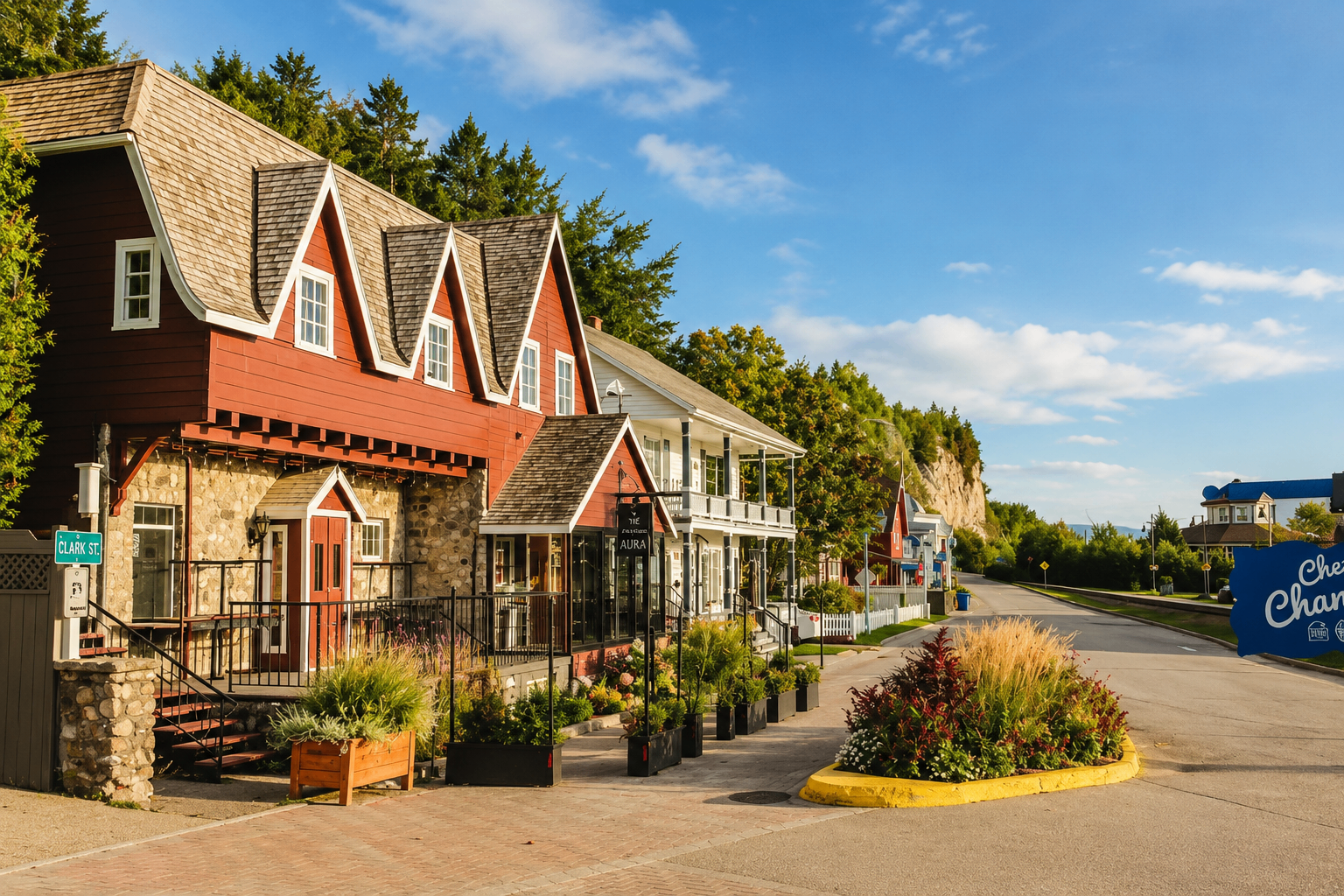
INTRODUCTION: A NEIGHBOURHOOD THAT HAS ALWAYS KNOWN HOW TO KEEP ITS SECRETS
Some Montreal neighbourhoods get all the attention. Then there's Saint-Léonard — a borough of 80,000 residents that lives at its own pace, knows itself, looks after its own and has, for decades, offered one of the best qualities of life on the eastern island without ever making headlines.
Founded in 1886 as the parish municipality of Saint-Léonard-de-Port-Maurice, the borough developed from the 1950s as a residential destination for families seeking to settle away from the crowded city centre. Generations of Montrealers grew up here, and the Italian-origin families who settled after the Second World War shaped its cultural identity in a unique and lasting way.
Today, Saint-Léonard is a complete, affordable, family-oriented borough with a strong cultural identity, beautiful parks — including a 15,000-year-old prehistoric cave — and an imminent advantage that will change everything: three new metro stations on the Blue Line, currently under construction directly on its territory, expected to open by 2029.
This guide covers everything you need to know to understand why Saint-Léonard is one of Montreal Island's most underrated places to live.
RENTAL PRICES IN 2025-2026
Saint-Léonard is among Montreal's most affordable boroughs for a neighbourhood this well-located and well-serviced. Rents are considerably lower than in trendy areas like the Plateau or Rosemont, while units are often more spacious.
Studio / bachelor (2½): $800 to $1,050 per month1 bedroom (3½): $1,000 to $1,350 per month2 bedrooms (4½): $1,200 to $1,600 per month3+ bedrooms (5½+): $1,450 to $1,900 per month
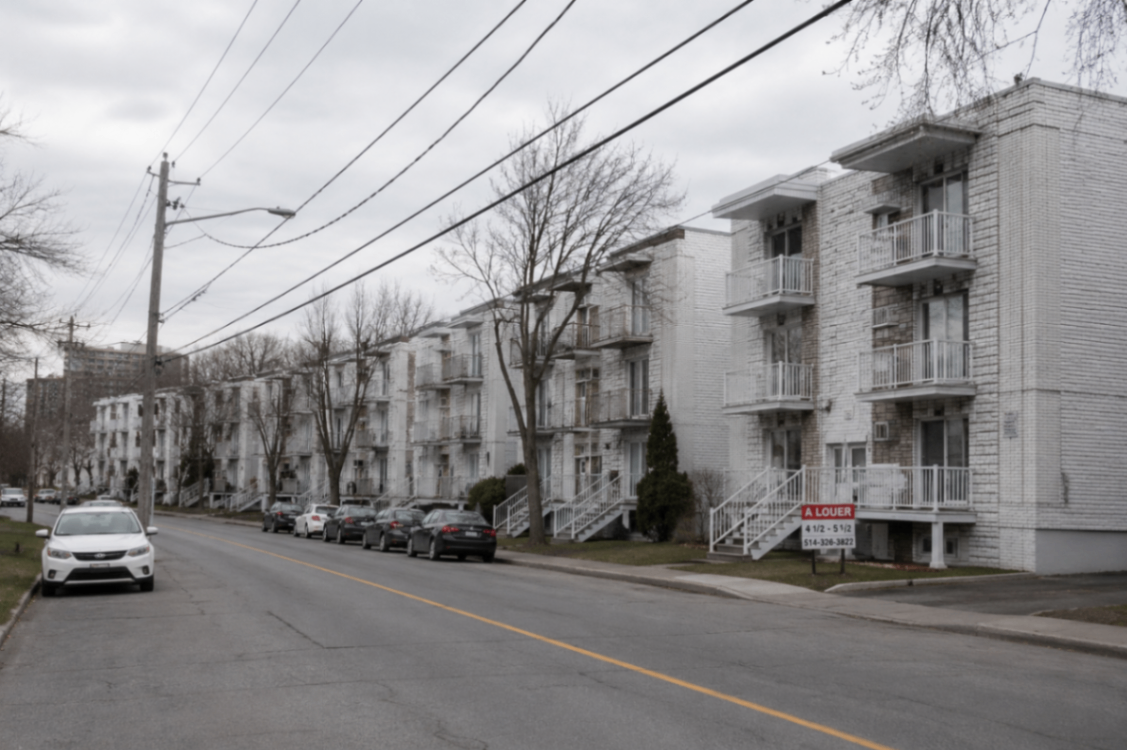
Saint-Léonard is regularly cited in Centris and REALTOR.ca data as one of the best value-for-money markets for families on the island. Plex-type housing (duplexes, triplexes) dominates the market, meaning renters often benefit from private entrances, yards and parking included in well-maintained buildings. New and renovated apartment buildings have also begun appearing in anticipation of the new metro stations.
Comparison with other neighbourhoods (average 2-bedroom rent):
- Saint-Léonard: $1,200 to $1,600 — excellent value for money- Anjou: $1,200 to $1,600 — comparable, but fewer plexes- Rosemont: $1,600 to $2,100 — considerably more expensive- Plateau: $1,900 to $2,600 — out of reach for many- Villeray: $1,300 to $1,800 — competitive but without the Italian arteries
THE ADVANTAGES OF LIVING IN SAINT-LÉONARD
1. The Richest Cultural Identity in East Montreal
Saint-Léonard is officially nicknamed "Città Italiana" — Montreal's Italian city. And for good reason: over 20% of the population still speaks Italian at home, and traces of this presence are everywhere. Rue Jean-Talon Est and rue Jarry overflow with artisan bakeries, espresso cafés, family trattorias, fromageries, charcuteries and fine grocery stores. The Centro Leonardo Da Vinci, one of the most important Southern European community centres in Canada, has been anchored in the neighbourhood for decades. But Saint-Léonard has not frozen in its heritage: with nearly 80% of its population directly or indirectly from an immigrant background, the borough is today one of Montreal's most diverse, with Algerian, Haitian, Moroccan and many other communities cohabiting in a rich and vibrant intercultural fabric.
2. The Saint-Léonard Cave: One of Quebec's Rarest Natural Curiosities
At the heart of Parc Pie-XII lies one of Montreal's most unusual attractions: the Saint-Léonard Cave. Nicknamed the "Fairy Hole," this natural cave carved in limestone is over 15,000 years old. It is one of the only caves accessible to the public in the greater Montreal area. Guided tours led by spelunking experts are organized each summer. For families with children, it's an unforgettable experience — and it's right in the neighbourhood.
3. Remarkable Parks and Complete Recreational Infrastructure
Saint-Léonard has 9 large parks and 8 smaller parks across its territory, along with tennis, soccer, volleyball and bocce courts, a skate park, two community gardens and the Saint-Léonard Aquatic Complex (indoor and outdoor pools). Parc Wilfrid-Bastien, the largest in the borough, runs along Boulevard Lacordaire with a pond, walking paths, picnic areas, playgrounds and an outdoor amphitheatre that hosts cultural events throughout the summer. Parc Ladauversière offers basketball courts, children's play structures and a wading pool.
4. A Stable, Safe Family Environment
Saint-Léonard is regularly cited as one of Montreal's best boroughs for family living. With both residents under 15 and those 65 and over each representing about 20% of the population — above the Montreal average — the borough has a solid multigenerational demographic. Streets are quiet, sidewalks well-maintained, schools plentiful and local services abundant. It's a borough that takes care of its residents, with active community centres and support organizations for all generations.
5. Strategic Highway Access and Geographic Position
Saint-Léonard is bordered to the east by Highway 25 and crossed to the south by Highway 40. This dual highway connection enables quick access to Laval (via the A-25 bridge), the South Shore (Louis-Hippolyte-La Fontaine Tunnel), downtown (A-40 west) and the entire eastern island. By car, downtown Montreal is reachable in 20 to 25 minutes depending on traffic.
6. The New Metro Stations: The Transformation That's Coming
This is the most transformative development for Saint-Léonard in decades. As part of the Blue Line metro extension, three new stations will be built within the borough: Viau (Jean-Talon and Viau), Lacordaire (Jean-Talon and Lacordaire) and Langelier (Jean-Talon and Langelier). Scheduled for 2029 at a total cost of $6.4 billion, these stations will connect Saint-Léonard directly to Montreal's metro network — and via correspondences, to all other lines. The City of Montreal explicitly notes that new apartment buildings are already multiplying in anticipation of this major change. For renters settling in now, it's an opportunity to lock in today's rents before post-metro appreciation.
ONGOING DEVELOPMENTS AND PROJECTS
BLUE LINE EXTENSION — VIAU, LACORDAIRE AND LANGELIER STATIONS (2025-2029)
Three of the five new Blue Line extension stations will be located in Saint-Léonard: Viau (Jean-Talon at Viau), Lacordaire (Jean-Talon at Lacordaire) and Langelier (Jean-Talon at Langelier). Construction is actively underway and visible in the borough. Service is confirmed for 2029. The impact on the local real estate and rental market is already visible, with a surge in residential construction near the future station sites.
NEW RESIDENTIAL BUILDINGS
The City of Montreal notes that the prospect of new metro stations is already driving the construction of new apartment buildings in Saint-Léonard. These densification projects, typically 6 to 10 storeys, offer modern rental units with contemporary amenities.
PARKS AND INFRASTRUCTURE INVESTMENTS
The borough continues to invest in its parks, including playground structure replacement, additional community gardens and green corridor improvements. Urban greening and heat island mitigation initiatives are also underway.
WHO LIVES IN SAINT-LÉONARD?
Saint-Léonard has approximately 80,000 residents across 13.5 km² — one of Montreal's densest boroughs. Nearly 80% of its population is directly or indirectly from an immigrant background, making it one of the city's most diverse. More than half of residents are bilingual in French and English, though French remains the dominant home language.
The multigenerational profile is one of Saint-Léonard's defining characteristics: children under 15 and seniors 65 and over each represent about 20% of the population, above the Montreal average.
The neighbourhood appeals primarily to:
- Established families seeking a quiet, safe and well-equipped borough- Multigenerational households wanting to stay close to family- Young couples looking to settle in a spacious plex at a good price- Professionals who need fast access to Highways 25 and 40- Investors anticipating appreciation tied to the three new metro stations
TRANSPORT AND CONNECTIVITY
STM Bus Network
Saint-Léonard is served by a dense bus network on its main arteries: Jean-Talon Est, Jarry, and Boulevards Lacordaire, Langelier and Viau. Express lines connect the borough to existing metro stations on the Green Line (Honoré-Beaugrand) and Orange Line. Route 141 (Jean-Talon Est) is one of the busiest, crossing the heart of the neighbourhood east to west.
By Car
- Highway 25 (eastern edge): access to Laval via the bridge and South Shore via the tunnel- Highway 40 (southern edge): east-west link to downtown (20–25 min) and Anjou- Route 138 via Sherbrooke Est: southern connection to Mercier–Hochelaga-Maisonneuve
Future: Viau, Lacordaire and Langelier Stations (Blue Line, 2029)
By 2029, Saint-Léonard will go from zero to three metro stations. It is an unprecedented transformation for a Montreal borough in such a short timeframe. Residents will be able to reach downtown by metro in under 25 minutes with access to the entire Montreal metro correspondence network.
CONCLUSION
Saint-Léonard is the borough Montreal has overlooked for too long. Affordable, family-oriented, culturally rich, geographically central and about to receive three new metro stations — it checks every box for families, young couples, long-term renters and forward-thinking investors. Rue Jean-Talon Est smells of espresso and fresh bread, the parks are lively year-round, and prices are still reasonable. That may not be the case in five years.
Sources: Centris, REALTOR.ca, STM, Government of Quebec, Ville de Montréal, Projet Montréal, martin-dumont.ca, Statistics Canada (2021)Last updated: May 2026
Rental Guide
Saint-Léonard: Montreal's Italian Soul Also Hides the East's Best Rents — And a Metro Is Coming
5/13/2026 • Saint-Leonard • By Rentack