
If you are choosing where to live in Quebec, the difference between cities is no longer small change. A tenant in a two-bedroom apartment in Gatineau pays about $5,900 more per year for rent and a bus pass than the same tenant in Saguenay. Montreal sits about $4,600 above Saguenay, and Quebec City about $3,700.
We pulled the latest figures from CMHC, Statistics Canada, the Quebec Professional Association of Real Estate Brokers (APCIQ), each city's transit authority and the Government of Quebec, then built a few comparisons you won't find elsewhere: the income you need to rent comfortably, how many hours of minimum-wage work one month of rent costs, and how many years of rent add up to the price of a house.
The short answer
- Most expensive: Gatineau, driven by Ottawa-area salaries and the highest average rent of any Quebec metro area ($1,451 for a 2-bedroom).
- Most affordable: Saguenay, with the lowest rents ($986) and home prices (around $350,000) of the six.
- Best value for a big-city lifestyle: Quebec City, where rent is about $70 a month below Montreal and a monthly bus pass costs $7.50 less.
- The one to watch: Sherbrooke. It is still cheap, but asking rents there rose 5.7% in the past year while Montreal's fell 5.2%.
1. Rent: the biggest line in every budget
The figures below come from CMHC's October 2025 Rental Market Survey, the most recent official count of purpose-built rental apartments. In Quebec terms, a 2-bedroom is a 4½ and a 1-bedroom is a 3½.
Average rent by city, from most to least expensive (2-bedroom · 1-bedroom · all units · vacancy rate):
- Gatineau: $1,451 · $1,362 · $1,415 · 3.8% vacancy
- Montreal: $1,346 · $1,131 · $1,291 · 2.9% vacancy
- Quebec City: $1,276 · $1,107 · $1,226 · 2.4% vacancy
- Sherbrooke: $1,062 · $905 · $1,090 · 2.7% vacancy
- Trois-Rivières: $1,017 · $828 · $983 · 2.7% vacancy
- Saguenay: $986 · $762 · $935 · 1.3% vacancy
- Province of Quebec: $1,272 · $1,094 · $1,232 · 2.9% vacancy
Source: CMHC Rental Market Survey, October 2025.
Two things the averages hide:
The rent you will actually be quoted is higher. CMHC's averages include long-term tenants whose leases have been protected by the TAL for years. Vacant units, the only ones you can rent, cost more. On the island of Montreal, vacant units averaged $1,573 versus $1,275 for occupied ones. In Quebec City, it was $1,488 versus $1,220. Statistics Canada's listing data tells the same story: the average asking rent for a 2-bedroom in the Montreal area was $1,900 in early 2026, about $550 above CMHC's average.
More vacancies does not mean more cheap apartments. Vacancy rates rose almost everywhere in 2025, but mostly in new, expensive buildings. Across Quebec, the cheapest quarter of apartments had a vacancy rate of just 1.3%, versus 4.7% for the most expensive quarter. Translation: if your budget is tight, the market still feels tight.
Rent growth was steep everywhere last year: +15.2% in Trois-Rivières, +11.2% in Saguenay, +10.5% in Montreal, +9.7% in Quebec City, +9.3% in Sherbrooke and +6.8% in Gatineau (average rent, October 2024 to October 2025). Want to know what increase is allowed on your own lease? See our guide to how the TAL's 2026 rent calculation works.
2. Where rents are heading in 2026
The newest listing data points in two directions. In the second quarter of 2026, the asking rent for a 2-bedroom fell 5.2% in Montreal year over year, as record rental construction and slower immigration gave tenants more choice. In Sherbrooke, it rose 5.7%, one of the fastest increases in Canada. Rentals.ca also ranks Quebec City among the most affordable large rental markets in the country, with an average asking rent of $1,518 in July 2026.
The long view is even more striking. Since 2019, asking rents for a 2-bedroom have climbed about 68% in Montreal and 89% in Sherbrooke, and roughly doubled in Drummondville. Smaller cities are no longer the bargain they were before the pandemic.
3. Getting around: monthly transit pass
Regular adult monthly pass, 2026:
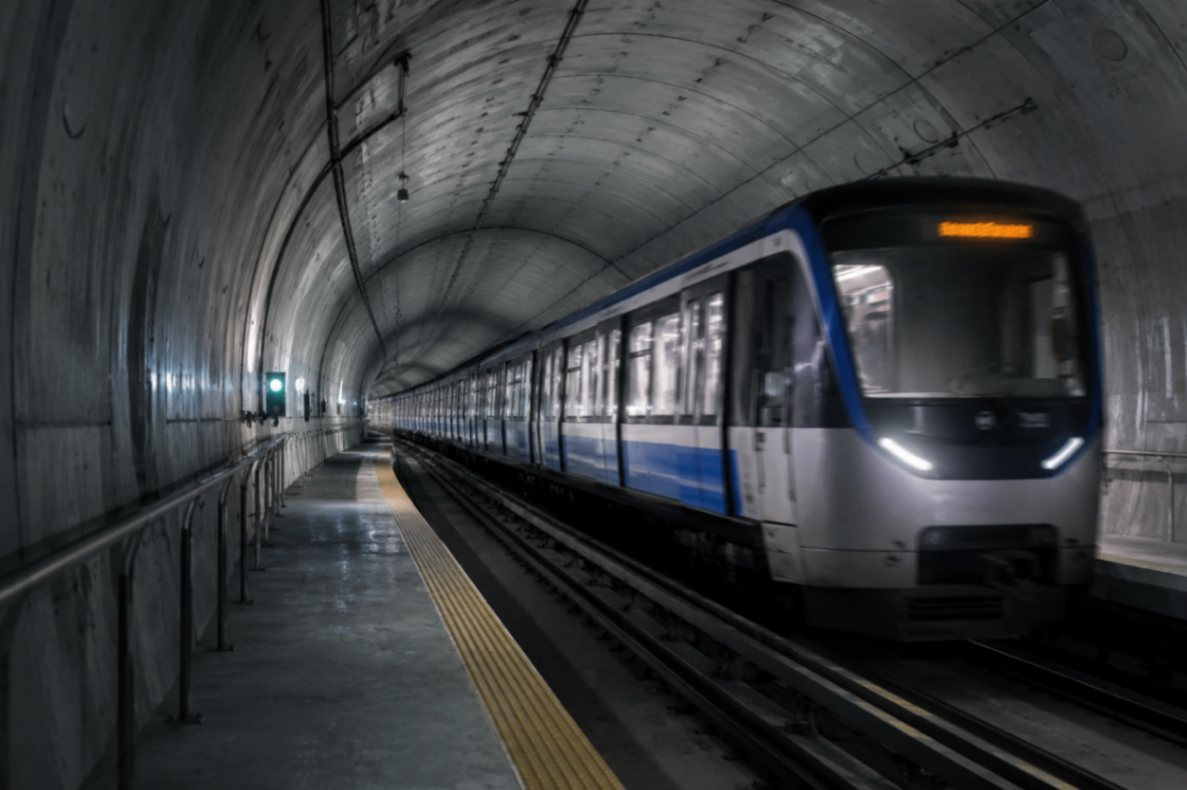
- Montreal (STM, zone A): $110.00
- Gatineau (STO): $106.50
- Quebec City (RTC): $102.50
- Sherbrooke (STS): $92.00
- Saguenay (STS): $83.50
- Trois-Rivières (STTR): $81.00
If you live in Laval or Longueuil and commute to Montreal, budget $170 for a zone AB pass. Quebec City residents crossing to Lévis can buy a $115 Métropolitain pass. Gatineau drivers also pay a $90 transit tax on their vehicle registration in 2026.
4. Rent + transit: the monthly baseline
Adding a 2-bedroom's average rent to a monthly transit pass gives a simple, comparable baseline for a household that doesn't own a car:
- Gatineau: $1,558 a month, $18,690 a year (+$5,856 vs Saguenay)
- Montreal: $1,456 a month, $17,472 a year (+$4,638)
- Quebec City: $1,379 a month, $16,542 a year (+$3,708)
- Sherbrooke: $1,154 a month, $13,848 a year (+$1,014)
- Trois-Rivières: $1,098 a month, $13,176 a year (+$342)
- Saguenay: $1,070 a month, $12,834 a year (the baseline)
Rentack calculation using CMHC 2-bedroom average rent (Oct. 2025) and 2026 transit fares.
5. The income you need to rent comfortably
The standard affordability rule says housing should take no more than 30% of gross income. Here is what that means for an average 2-bedroom, and how many hours at Quebec's minimum wage ($16.60/h since May 1, 2026) one month of rent represents:
- Gatineau: $58,040 a year needed · 87 hours of minimum-wage work per month of rent
- Montreal: $53,840 · 81 hours
- Quebec City: $51,040 · 77 hours
- Sherbrooke: $42,480 · 64 hours
- Trois-Rivières: $40,680 · 61 hours
- Saguenay: $39,440 · 59 hours
A full-time minimum-wage job (40 hours a week) pays about $34,500 a year before tax, below the comfortable threshold in every city on the list. In Saguenay, the gap is about $5,000; in Gatineau, it is more than $23,000. And remember: these figures use average rents. At the asking rents you'll see on listings, the income needed is higher.
6. Buying instead: median home prices
Median single-family home price, latest period published, and how many years of average 2-bedroom rent it equals:
- Montreal (metro): $645,000 (Q2 2026) · 40 years of rent
- Gatineau (metro): $523,500 (Q2 2026) · 30 years
- Sherbrooke (metro): $460,750 (2025) · 36 years
- Quebec City (agglomeration): $460,000 (August 2026) · 30 years
- Trois-Rivières (metro): $389,000 (Q4 2025) · 32 years
- Saguenay (metro): $350,000 (Q3 2025) · 30 years
Source: APCIQ, Centris data.
Montreal stands apart: a house costs about 40 years of average rent there, versus about 30 in Quebec City, Gatineau and Saguenay. Prices are still rising fastest in the regions: in the second quarter of 2026, median single-family prices climbed 8% in Saguenay and 7% in Trois-Rivières, compared with 3% in Montreal and 2% in Gatineau.
7. Costs that are the same everywhere
Some costs don't change with your postal code. Hydro-Québec rates are set province-wide and rose 3% on April 1, 2026 (about $2.30 more per month for an electrically heated 5½). Quebec's minimum wage and subsidized daycare fees are also the same in every city. That's why rent is the single biggest factor separating one Quebec city's cost of living from another's. If you're comparing apartments, check whether heating is included: in Quebec listings, "chauffé" or "tout inclus" can save you a significant winter bill.
Which city is right for you?
- You work in Ottawa or the federal public service: Gatineau costs more than any other Quebec city, but Ontario rents across the river are higher still.
- You want big-city jobs and nightlife on a tighter budget: Quebec City gives you most of what Montreal offers for about $930 less per year in rent and transit.
- You're a student or remote worker: Sherbrooke and Trois-Rivières combine university-town energy with rents under $1,100, though Sherbrooke's are rising fast.
- You want to buy a home: Saguenay and Trois-Rivières have the lowest entry prices, but competition is intense and prices are climbing.
Ready to compare real listings? Browse verified apartments in Montreal, Quebec City, Gatineau, Sherbrooke, Trois-Rivières and Saguenay, or use our rent calculator to see what fits your budget.
FAQ
What is the cheapest major city to live in Quebec in 2026?
Saguenay. Its average 2-bedroom rent is $986 (CMHC, October 2025) and its median single-family home price was about $350,000 in late 2025, the lowest of Quebec's six largest metro areas.
Is Quebec City cheaper than Montreal?
Yes, slightly. An average 2-bedroom costs $1,276 in Quebec City versus $1,346 in Montreal, and the monthly transit pass is $102.50 versus $110. Houses are much cheaper: about $460,000 in the Quebec City agglomeration versus $645,000 in the Montreal metro area.
Why is Gatineau so expensive?
Gatineau is part of the Ottawa–Gatineau labour market, where federal salaries push up housing demand. It has the highest average rent of any Quebec metro area ($1,451 for a 2-bedroom).
How much income do I need to rent in Montreal?
About $53,800 a year to keep an average 2-bedroom under 30% of gross income. At the asking rents seen on current listings (around $1,900), it's closer to $76,000.
Are rents going down in Quebec?
In Montreal, asking rents fell 5.2% year over year in the second quarter of 2026. Average rents paid by existing tenants are still rising, and in Sherbrooke asking rents are up 5.7%.
Sources
- CMHC – Average rent by bedroom type, Quebec centres, October 2025
- CMHC – Vacancy rates by rent quartile, Quebec, October 2025
- FRAPRU – Analysis of the CMHC 2025 rental market report
- Statistics Canada – Quarterly rent statistics, Q1 2019 to Q1 2025
- Statistics Canada – Quarterly rent statistics, Q2 2026
- Rentals.ca – National Rent Report, August 2026
- APCIQ – Quebec residential market, Q2 2026
- APCIQ – Sherbrooke, Trois-Rivières and Drummondville, 2025 year-end
- APCIQ – Quebec City CMA, August 2026
- Radio-Canada – Saguenay home prices, Q3 2025
- ARTM/STM fares from July 1, 2026 (Narcity)
- RTC – Fare grid 2026
- STO 2026 fares (Le Droit)
- STS Sherbrooke – 2026 fares
- STTR – Fares
- STS Saguenay – Fares
- Government of Quebec – Minimum wage, May 1, 2026
- Protégez-Vous – Hydro-Québec rate increase, April 2026