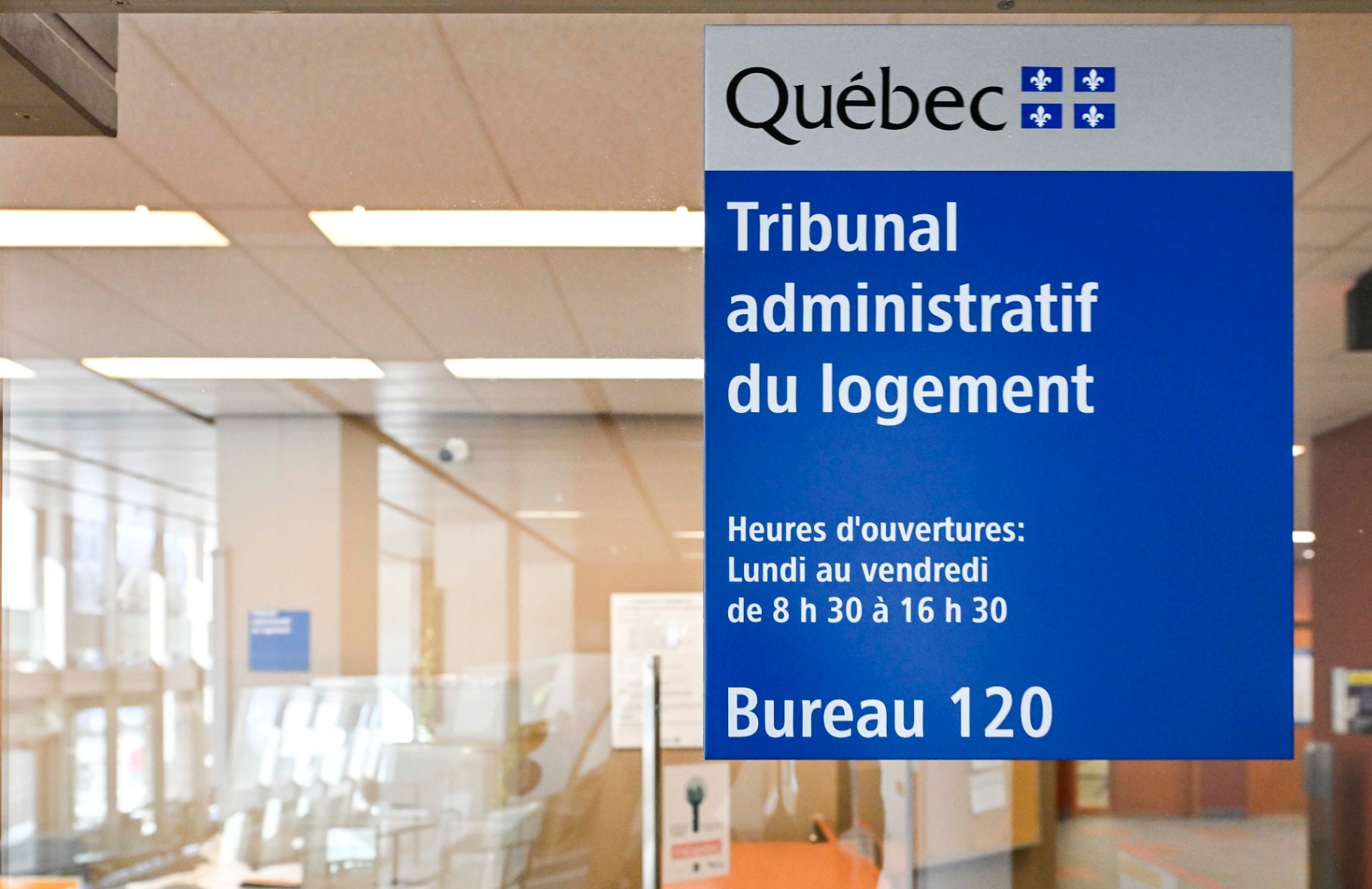
Since January 1, 2026, the Tribunal administratif du logement (TAL) has calculated recommended rent increases differently than it has since the 1980s. The change is creating a lot of confusion online — plenty of sites are still publishing different rates depending on heating type, even though that's no longer how notices issued this year are calculated. Here's what actually applies, and how to check whether a proposed increase is reasonable.
The 2026 reference rate, in short
For any lease modification notice sent on or after January 1, 2026, the TAL applies a unified base rate of 3.1%, replacing the old percentages that varied depending on whether a unit was heated by electricity, gas, oil, or not heated at all. That's the biggest change in the reform: one base rate for every unit, regardless of heating type.
That base rate isn't the whole calculation, though. Three components are added together:
- The base rate — 3.1% applied to the current rent.
- The change in municipal taxes, school taxes, and insurance — the difference between this year and last, spread over 12 months.
- Major capital improvements — up to 5% of the eligible amount can be added annually, also spread over 12 months.
A landlord who hasn't made major renovations and whose taxes haven't moved significantly will generally propose an increase close to 3.1%. A landlord who redid the roof or replaced the windows, for example, can legitimately propose more — and that's usually where disagreements start.
Why the numbers vary so much from site to site
If you've searched "Quebec rent increase 2026" and found different rates by heating type (often somewhere between 1.5% and 3.8%), that's not necessarily wrong — it's simply the old method, which still applies, but only to lease modification notices sent before January 1, 2026. A lot of content online hasn't been updated since the reform and ends up mixing the two grids together.
Old methodNew method (2026)Applies toNotices sent before January 1, 2026Notices sent from January 1, 2026 onwardBase rateVaries by heating type (electricity, gas, oil, unheated)Single 3.1% rateNumber of indicatorsAbout a dozenFourStated goal—Smooth out sharp swings tied to short-term inflation spikes
If you receive a notice this fall for a renewal effective July 1, 2027, the new method applies. The most reliable way to confirm the exact rate for your situation is the official calculation tool on tal.gouv.qc.ca, since some third-party sites reproduce outdated or incomplete tables.
The timeline to know
A landlord who wants to modify a lease — whether to raise the rent or change another condition — must send a written notice within a specific window before the lease ends:
- Lease of 12 months or more: notice must be sent between 3 and 6 months before the lease ends.
- Lease of less than 12 months (month-to-month, etc.): notice must be sent between 1 and 2 months before the lease ends.
If a landlord misses that window, they can't raise the rent for that period — the lease renews automatically on the same terms. Once a tenant receives a notice, they have one month to respond in writing.
A tenant's three options
Faced with a rent increase notice, a Quebec tenant always has three choices, regardless of the percentage requested:
- Accept the increase. Worth noting: staying silent past the one-month deadline counts as acceptance — that's often exactly what some landlords are counting on.
- Refuse the increase and stay in the unit. This is the least-known option, but it's fully legal. A landlord cannot evict a tenant for this reason alone.
- Refuse the increase and move out at the end of the lease.
If a tenant refuses and stays, the landlord has one month to file a rent-fixing application with the TAL. The Tribunal then decides based on the official grid — and in practice, the amount set usually ends up below what the landlord originally asked for.
The exception: new buildings
This protection doesn't apply to every unit. If Section F of the lease shows the building was constructed five years ago or less, the tenant cannot refuse the increase and stay — they must accept it or move out. This exception exists to avoid discouraging new rental construction, but it often catches tenants off guard if they haven't checked it before signing.
A detail few tenants check: Section G
Quebec's standard lease form requires landlords to state, in Section G, the lowest rent paid in the past 12 months. If that section is left blank or contains inaccurate information, the tenant has up to 10 years to request an adjustment from the TAL — potentially including a refund of any overpayment. It's a simple thing to verify, but very few tenants actually do.
Frequently asked questions
Is the 3.1% rate mandatory? No. It's a reference rate, not a legal cap. Landlords and tenants can agree on any percentage. The TAL only steps in to decide when the two sides can't reach an agreement.
Does this apply to a unit becoming vacant between tenants? No. The 3.1% rate governs lease renewals for a tenant already in place. Nothing stops a landlord from setting a higher rent for a new tenant once a unit turns over — this is often where the biggest gap shows up, between what sitting tenants pay and what's asked of incoming ones.
Can I be evicted for refusing an increase? No. Refusing a rent increase and staying in your unit is a right recognized under the Civil Code of Québec, except for new buildings five years old or less.
What if my landlord tells me I have to accept or leave? That's inaccurate in most cases. The TAL's official notice template lays out the tenant's three options; if the notice you received doesn't mention them clearly, it's worth comparing it against the official model before responding.
Will the new method make increases more predictable? That's the stated goal — by averaging the consumer price index over three years instead of a single year, the method aims to avoid the sharp spikes seen after one-off inflation shocks, like the ones that followed the pandemic.
What Rentack is seeing on the ground
According to Rentack data, a growing number of landlords are choosing more conservative increases than the 2026 method would actually allow. The reason is straightforward: the rental market has gotten more competitive, and units that come open are sitting vacant longer than they used to. Facing that risk, many landlords would rather keep a reliable tenant in place — even at a more modest increase — than push the rent to the maximum allowed and risk an empty unit for a month or two.
The math is simple from a landlord's perspective: a unit sitting vacant for an extra two months usually costs more than a more aggressive increase would have earned over the year. That dynamic seems to be pulling part of the market toward increases closer to the 3.1% reference rate, even in areas where demand would, in theory, support more.
Bottom line
The 2026 reform simplifies the calculation in theory, but it's also created a period of confusion where two methods coexist depending on when a notice was sent. The most important thing to remember: 3.1% is a reference point, not an obligation, and a tenant always retains the right to negotiate or refuse an increase and stay put — except in the case of a new building. When in doubt about a notice you've received, comparing it against the TAL's official calculation tool remains the most reliable way to check whether the increase being asked for is justified.